Wild Mushroom Species Directory
Browse 686 species with identification features, toxicity tiers, look-alikes, and regional distribution.


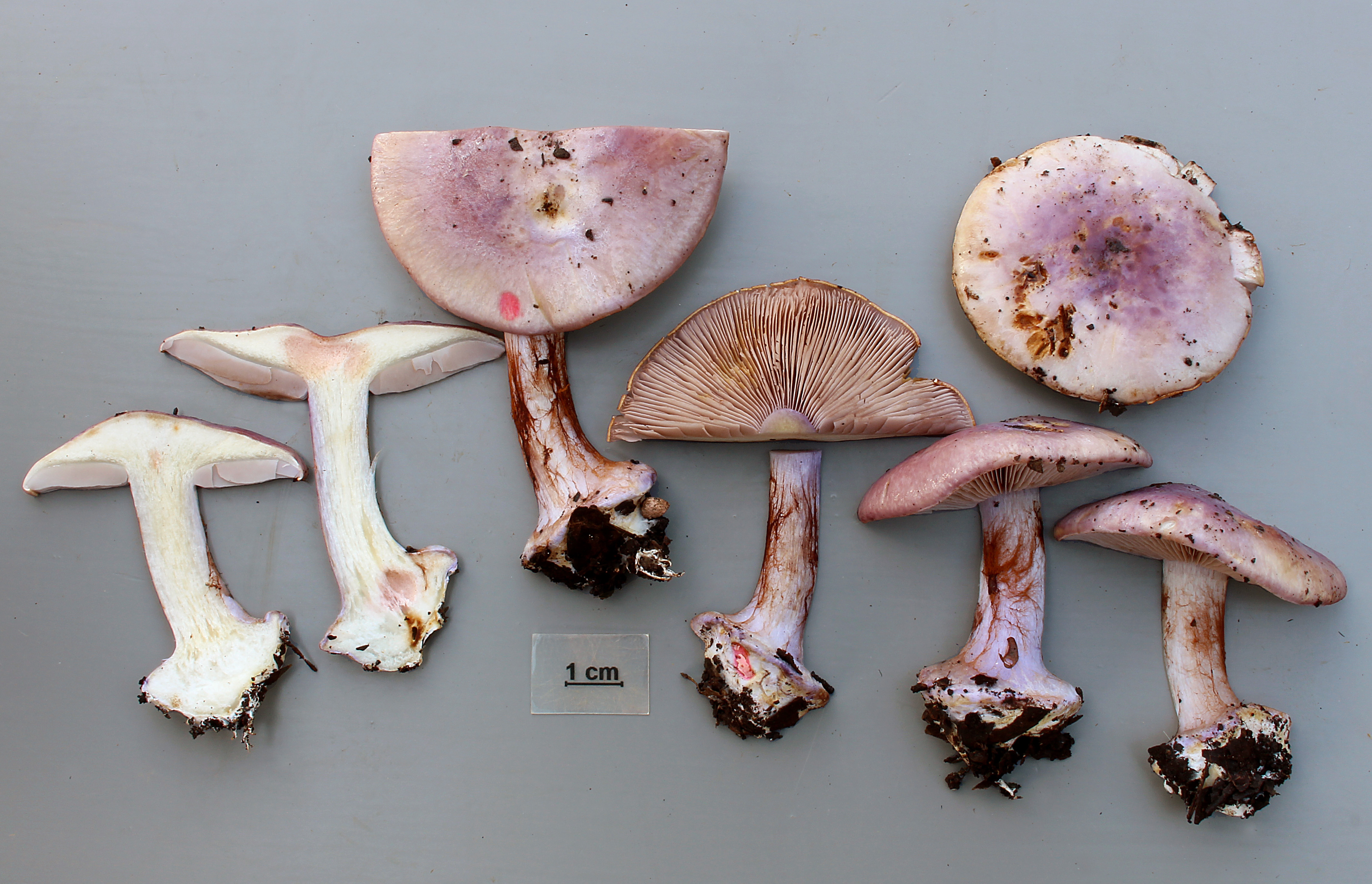
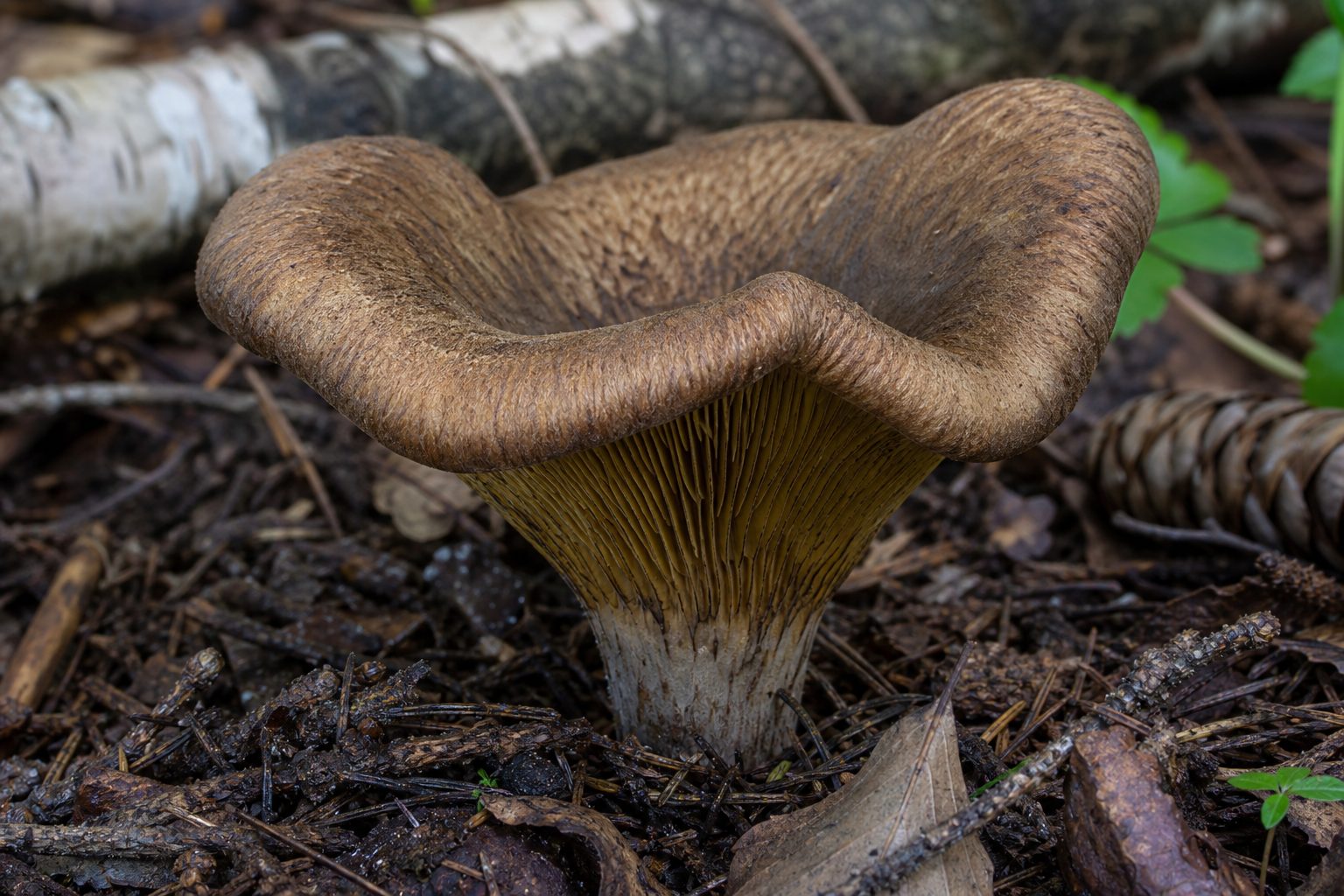
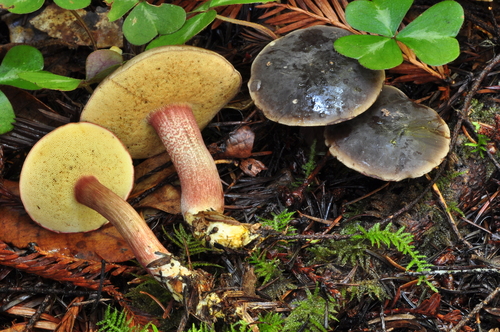
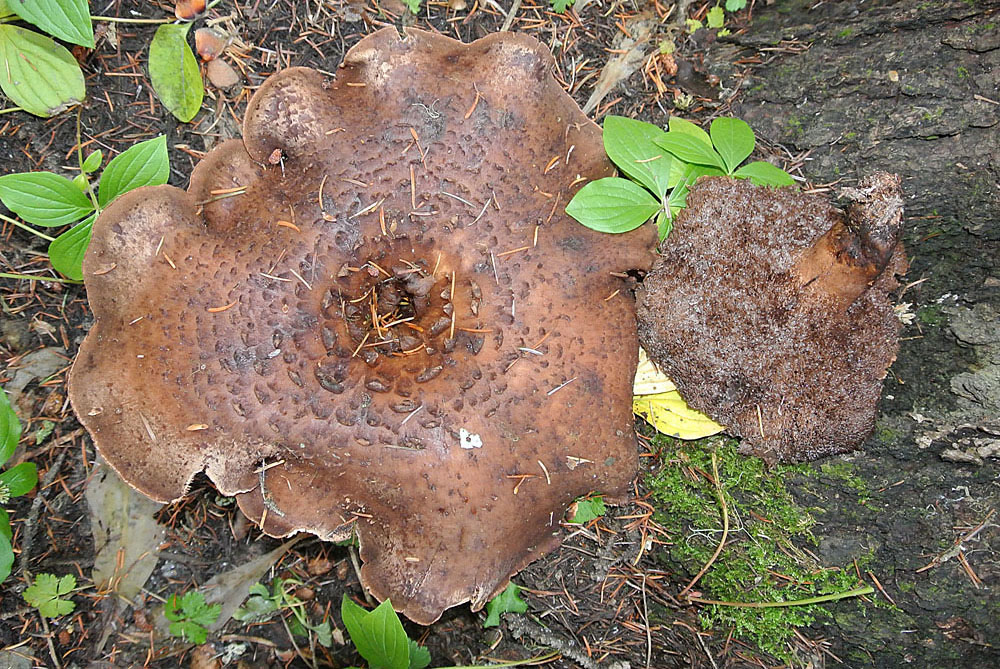
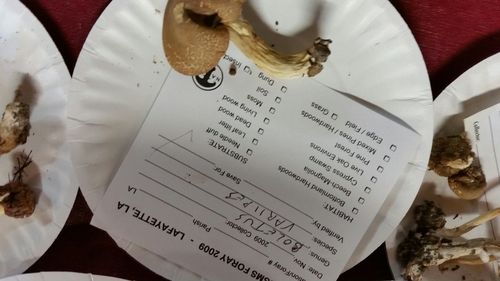
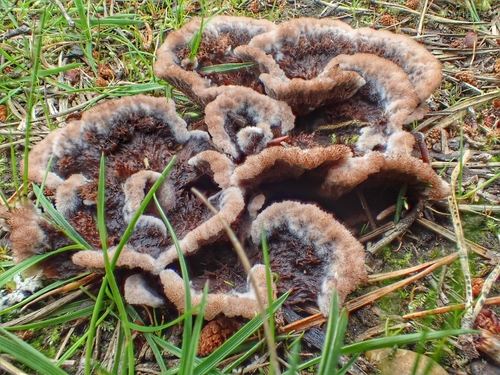
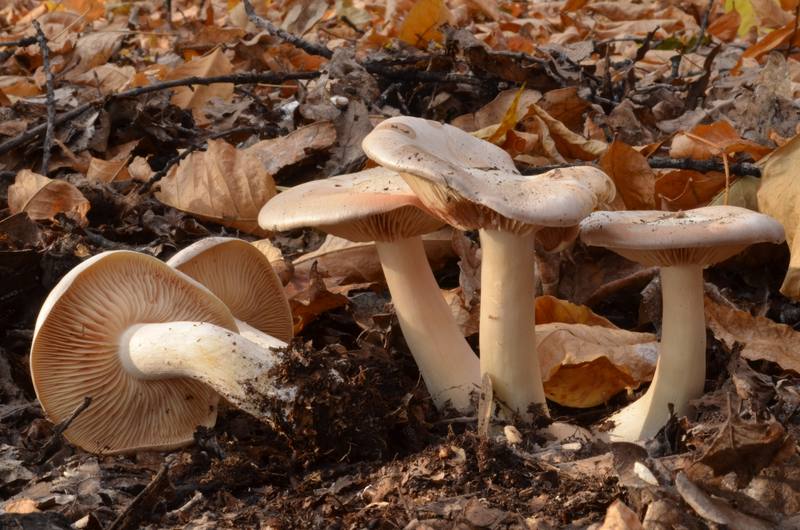
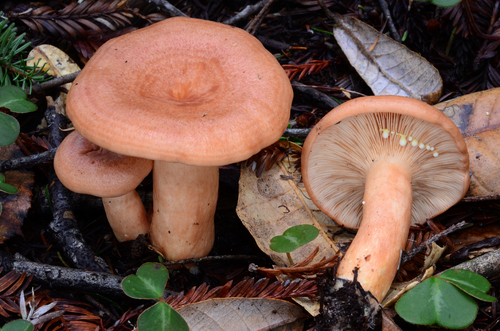
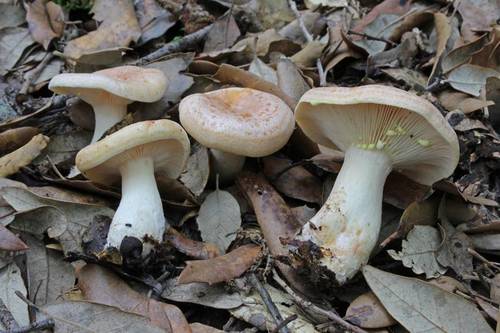
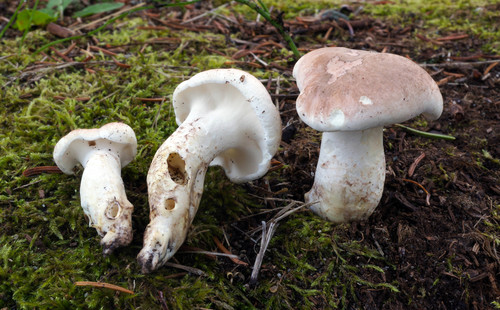
DO NOT EAT. Causes progressive immune hemolytic anemia. Related to the deadly Paxillus involutus. Call Poison Control: 1-800-222-1222

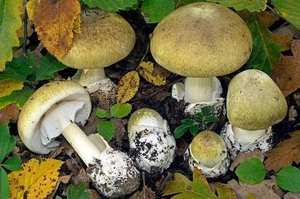
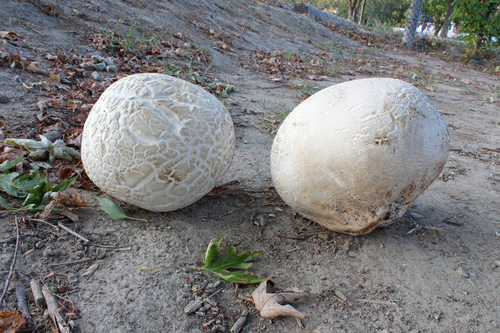
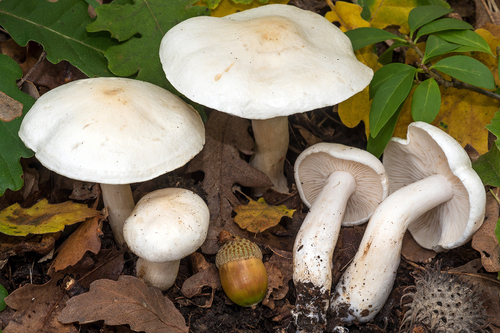
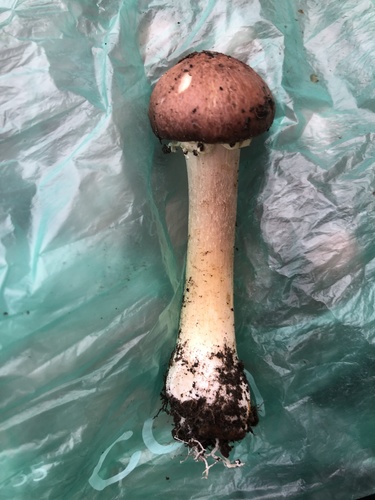
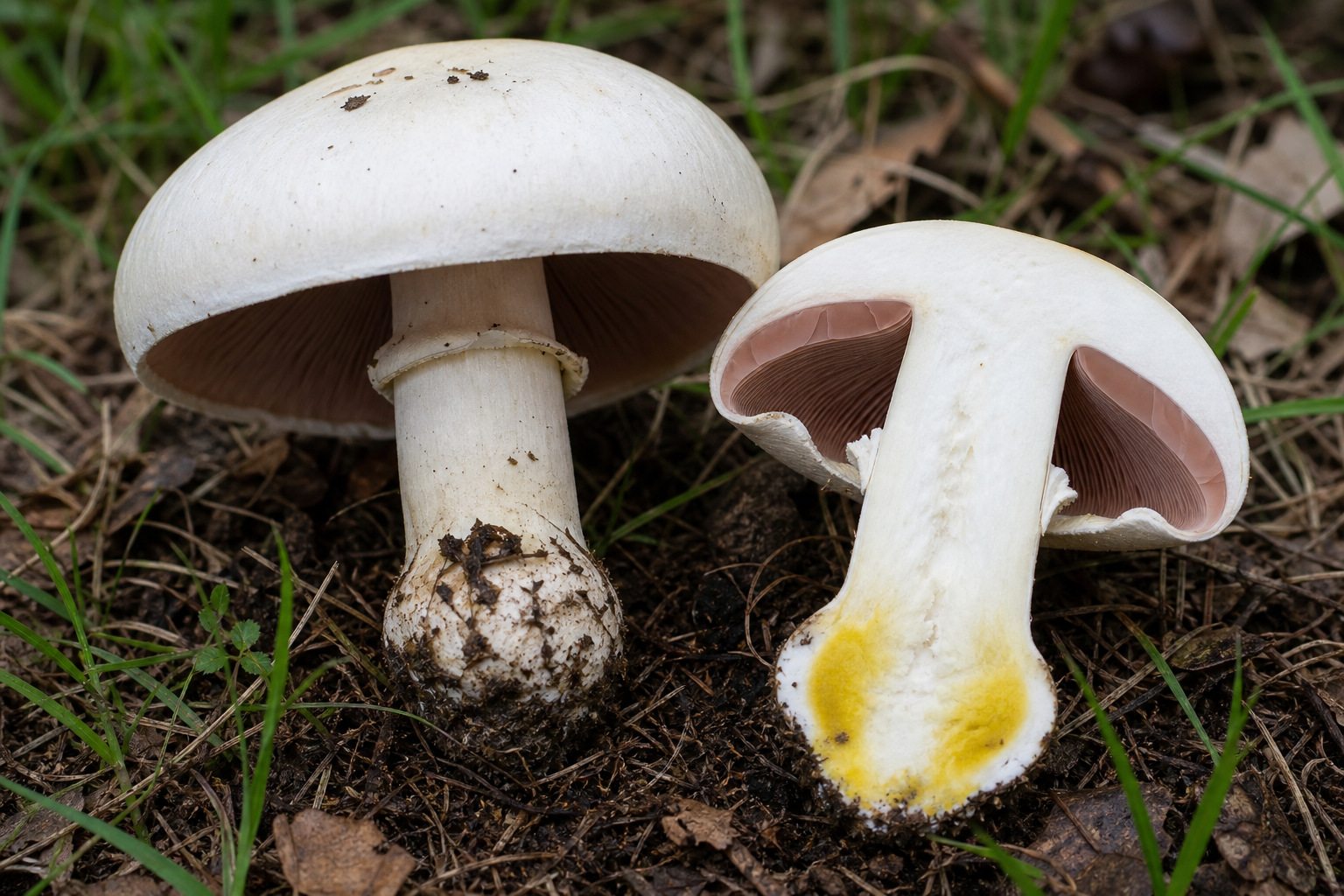
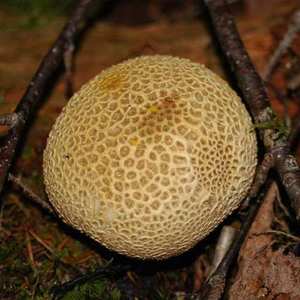
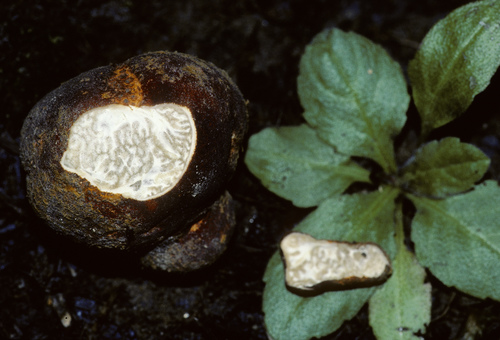
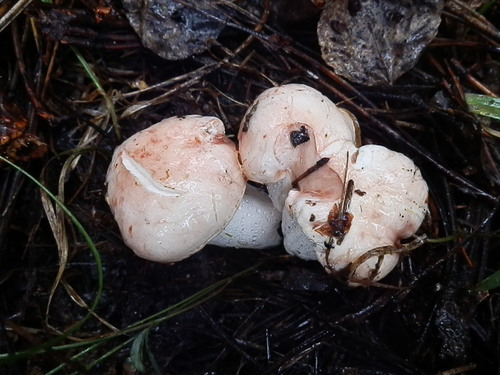
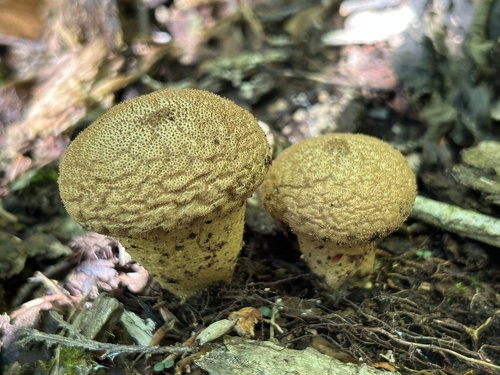
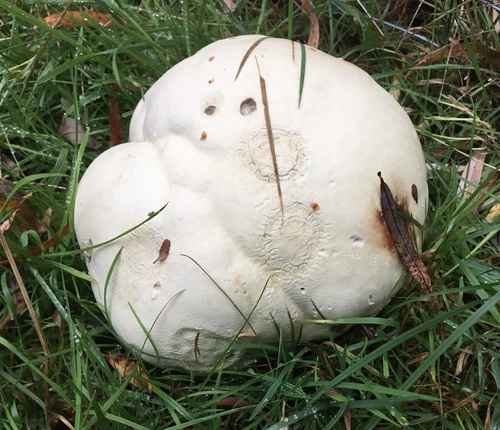
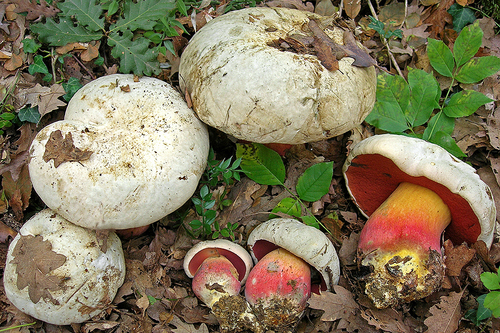
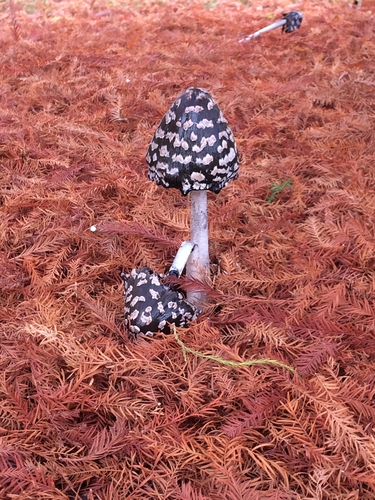
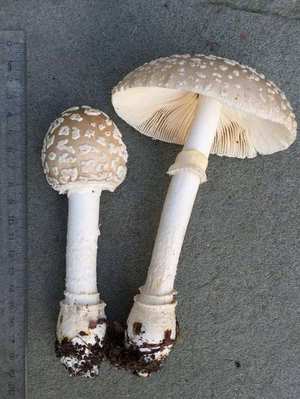
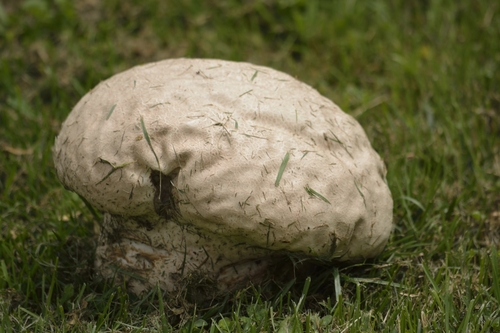
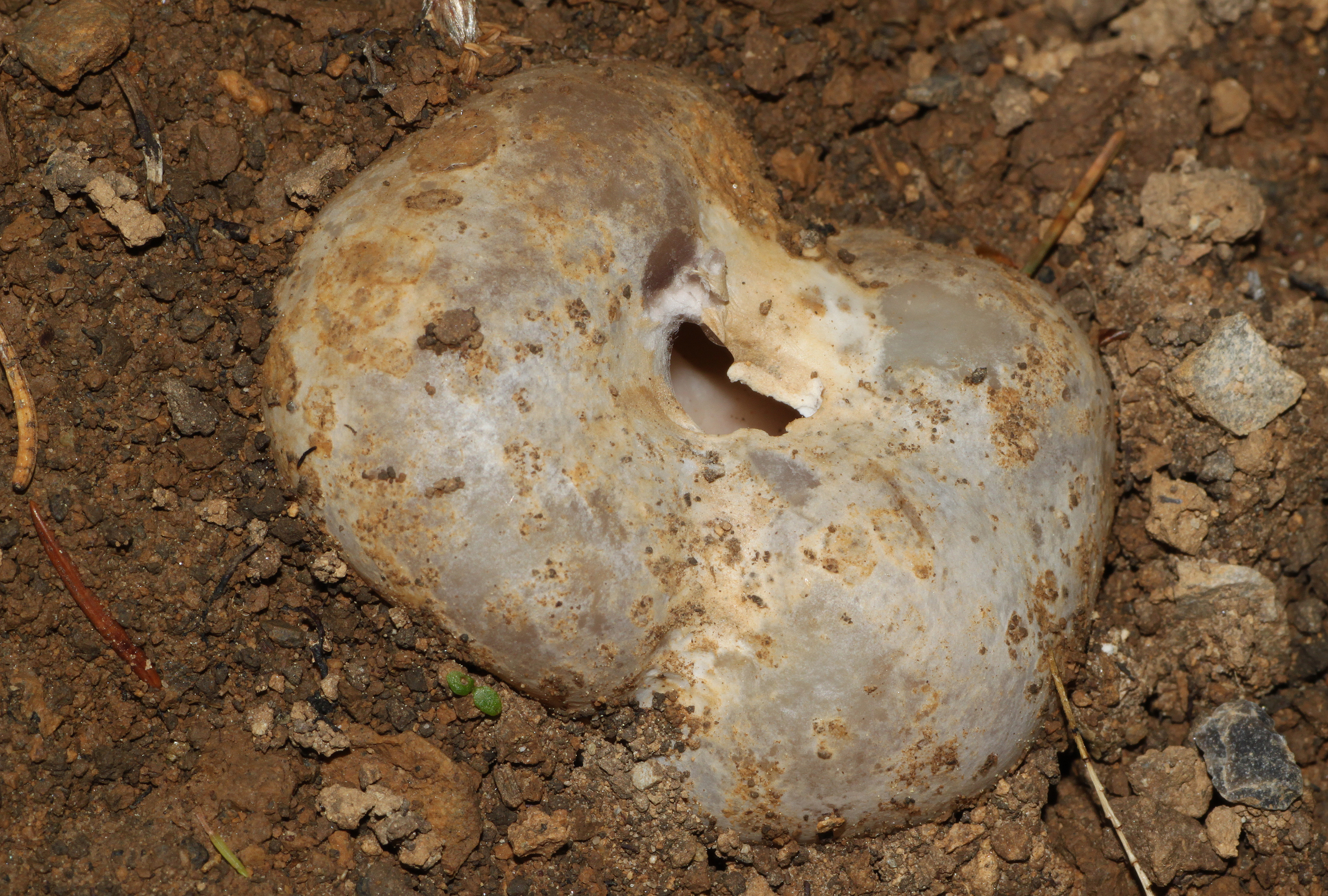
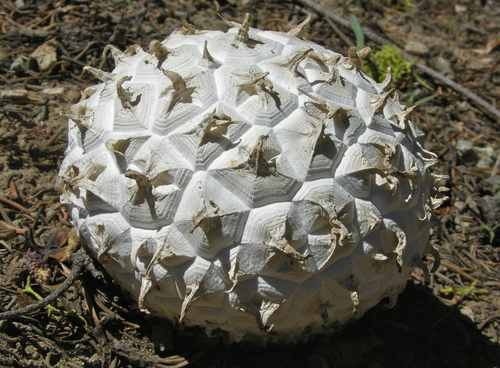
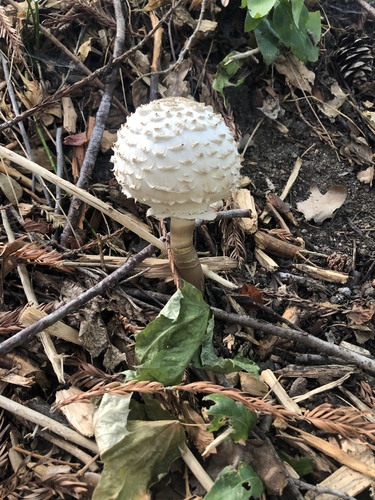
CRITICAL: DO NOT EAT. Easily confused with edible Agaricus or puffballs. Never consume wild button-stage mushrooms without microscopic or spore print verification. When sliced lengthwise, the outline of a cap, gills, and stem are visible inside the white flesh — edible puffballs show only pure white flesh. Call Poison Control immediately if ingested: 1-800-222-1222


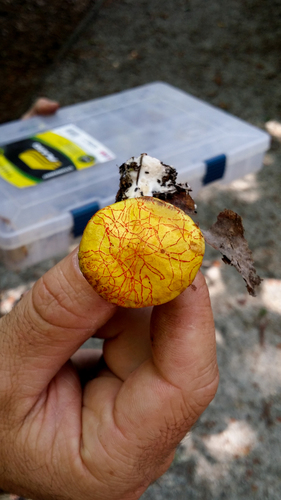

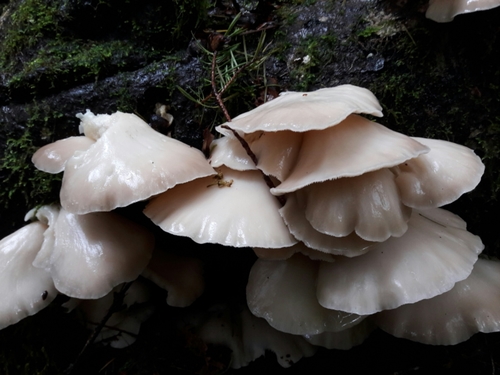
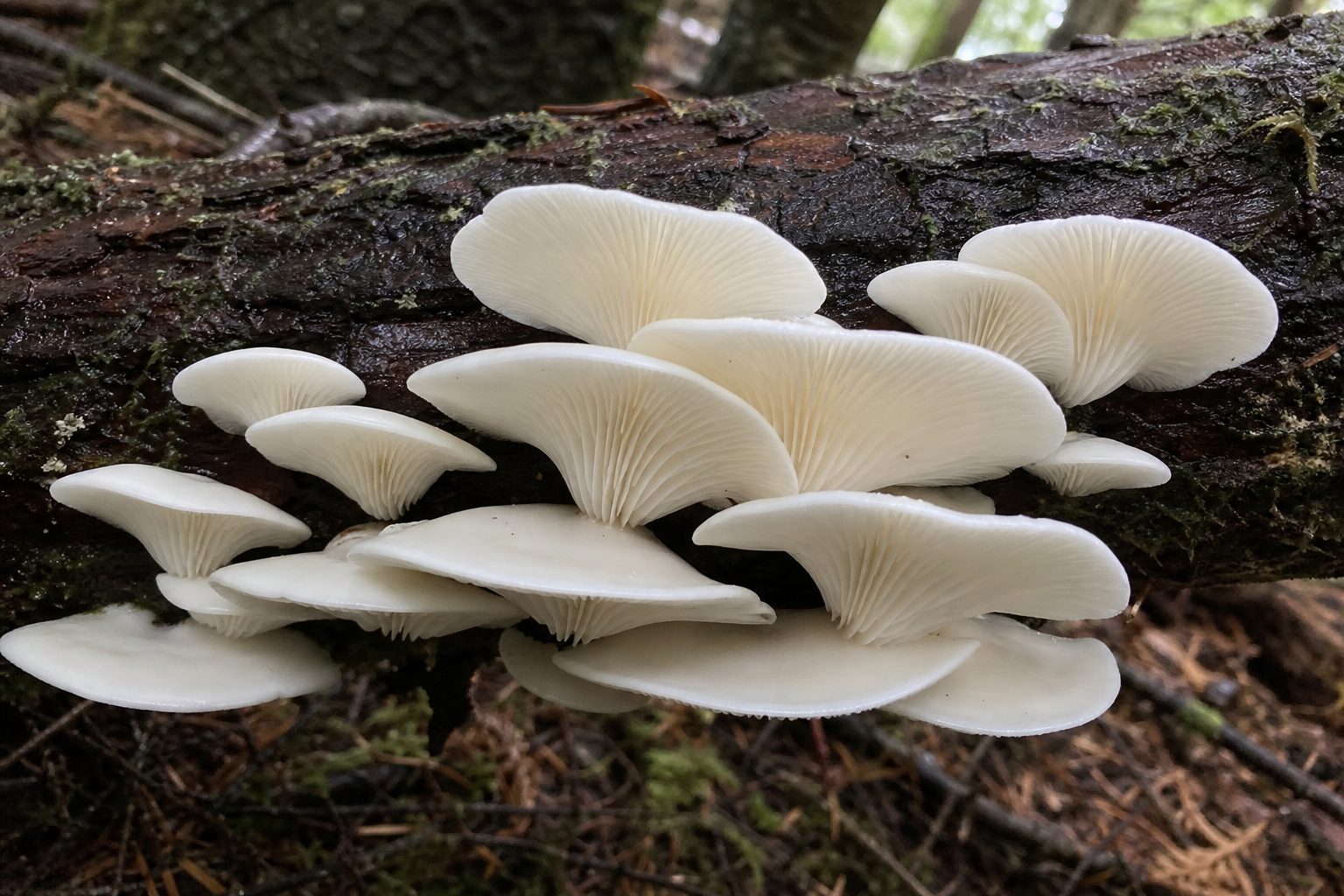

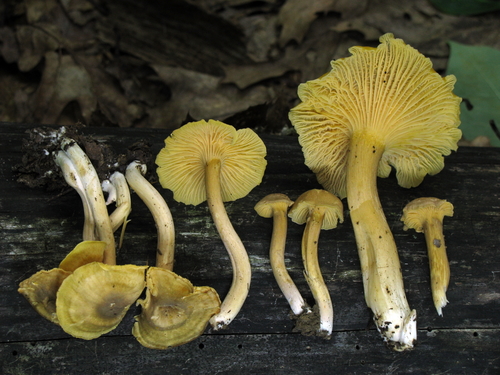
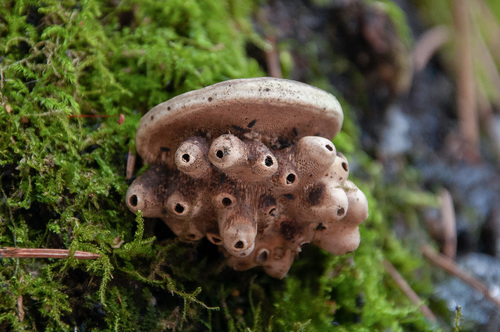


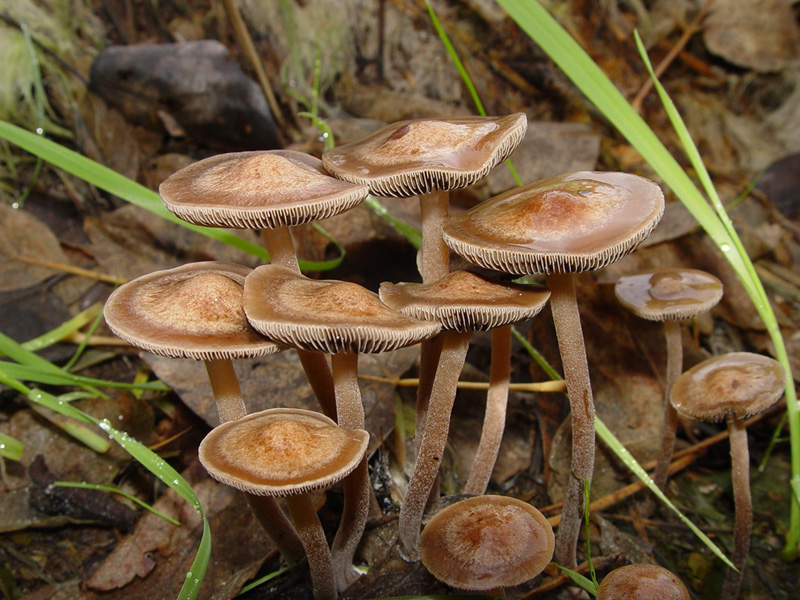
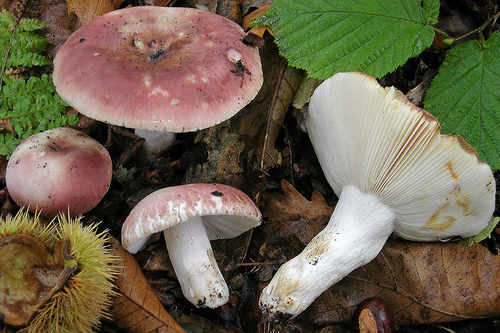

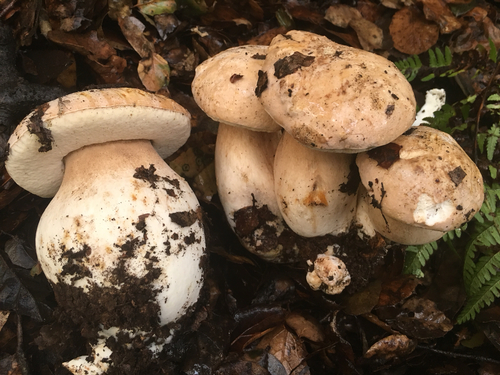


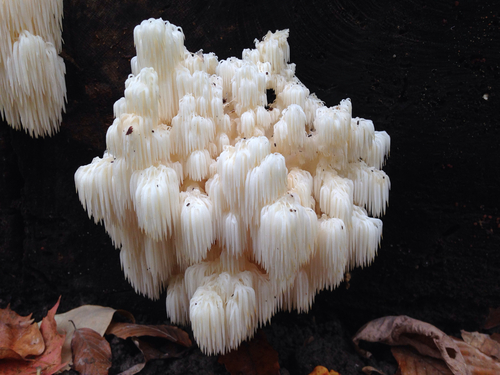

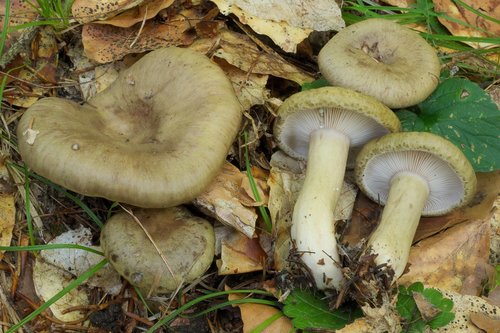


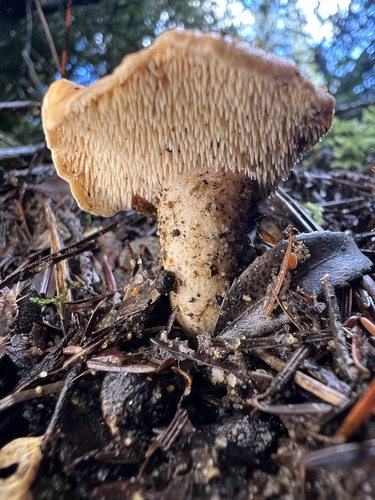





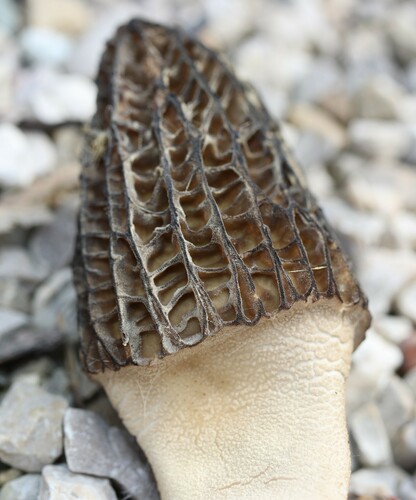



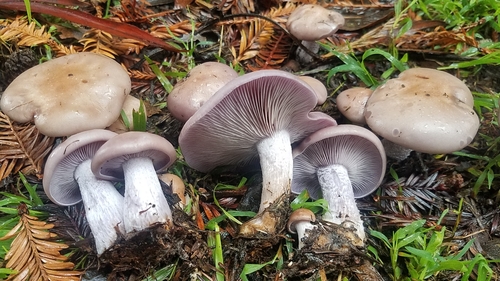
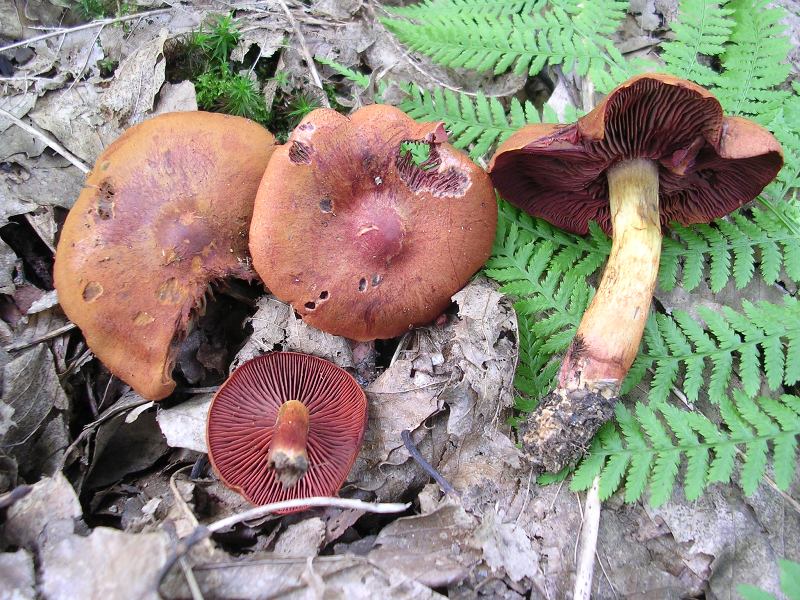


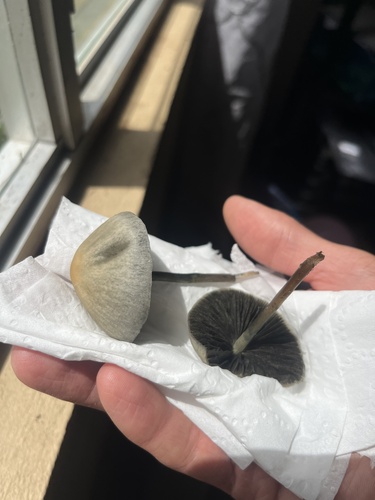


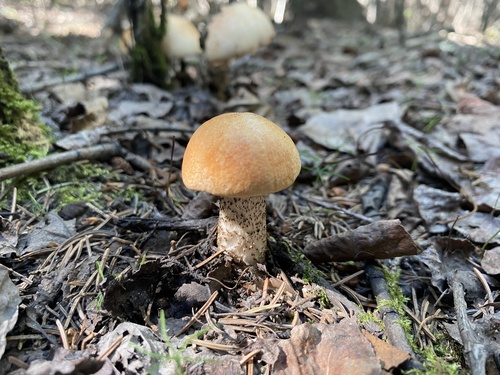

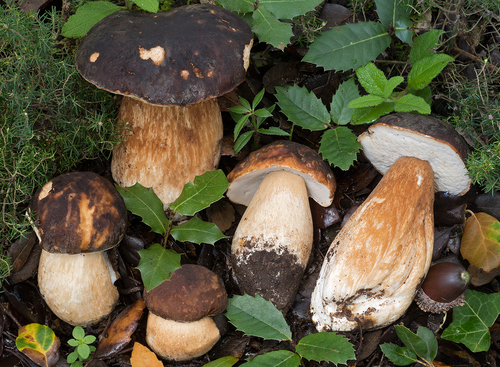


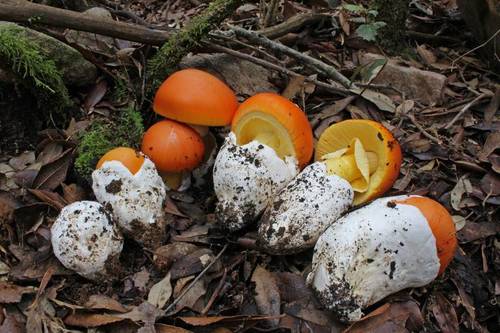


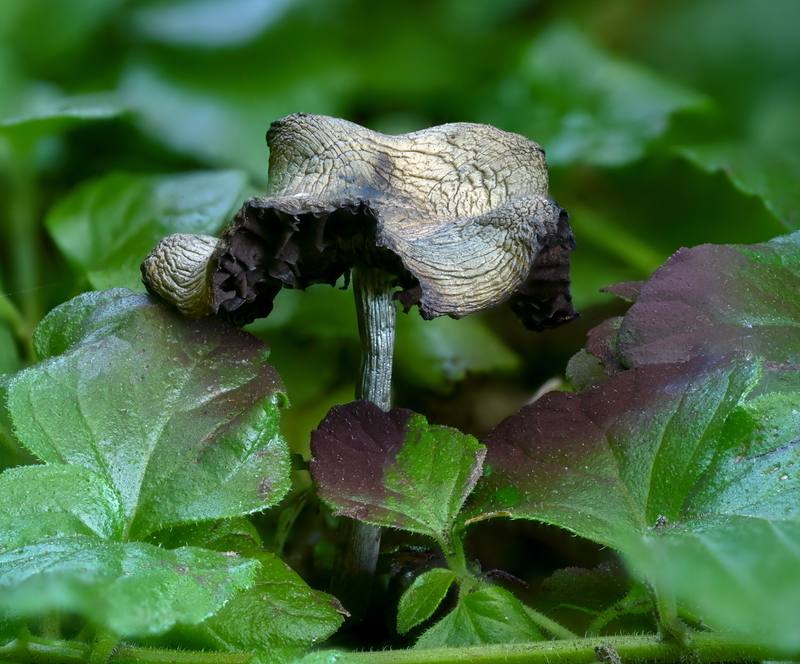
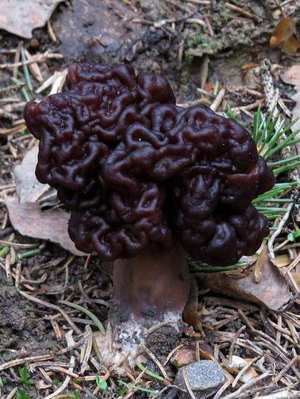
DO NOT EAT. Contains gyromitrin. Toxic by ingestion AND inhalation when cooking. Call Poison Control: 1-800-222-1222

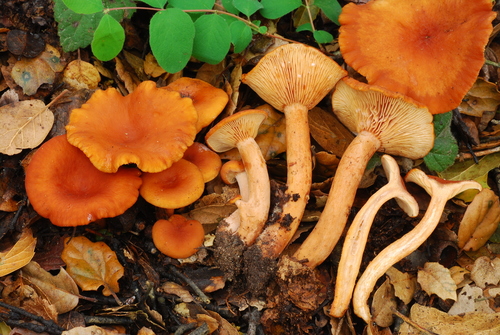


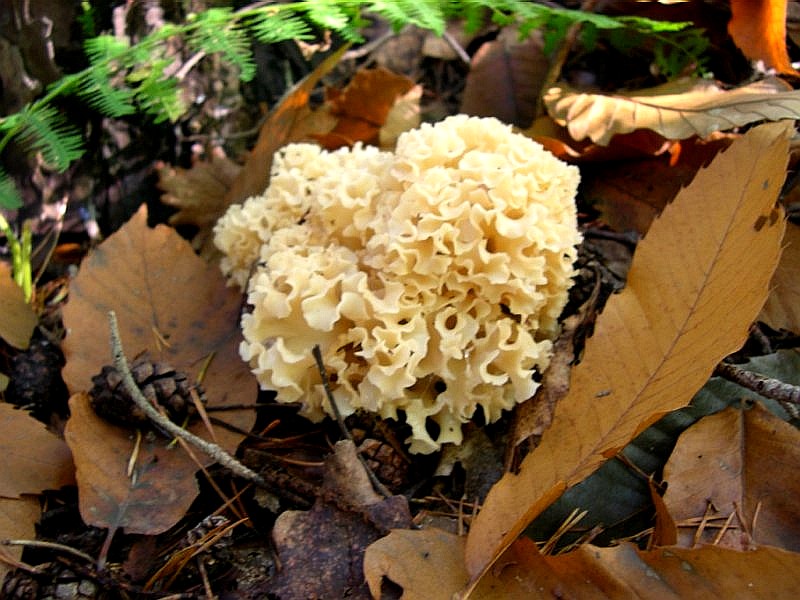
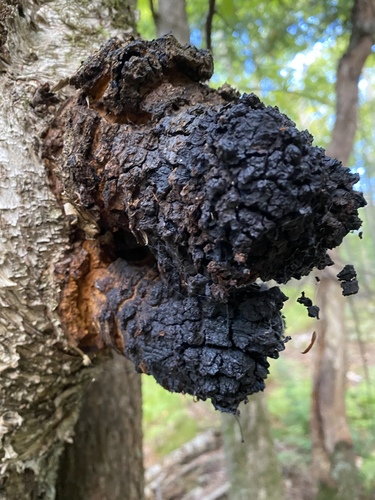
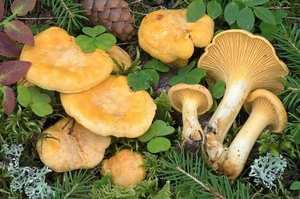
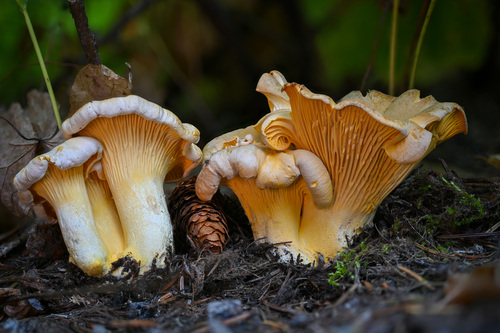
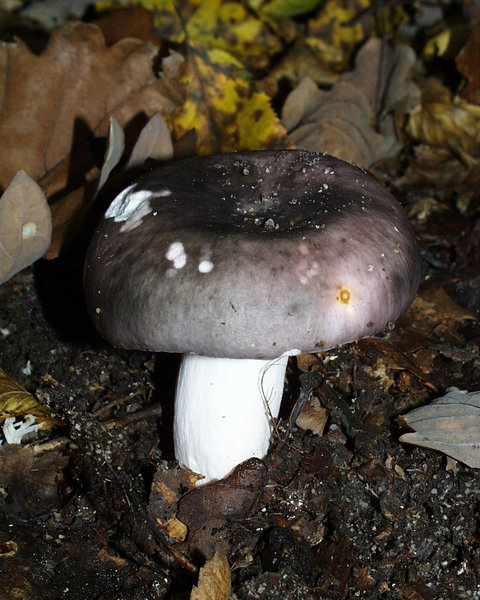


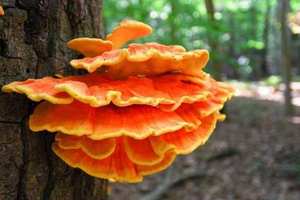
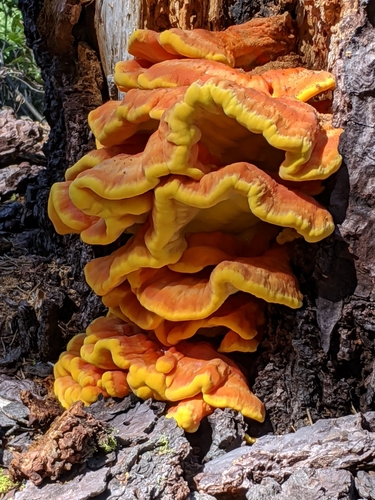


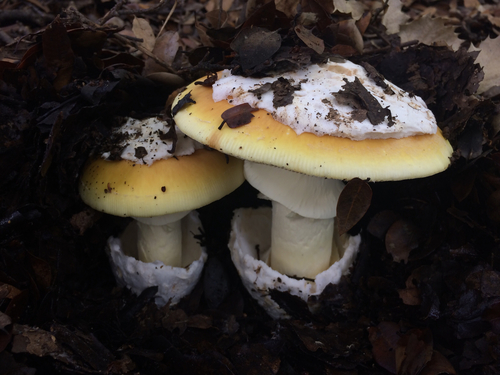


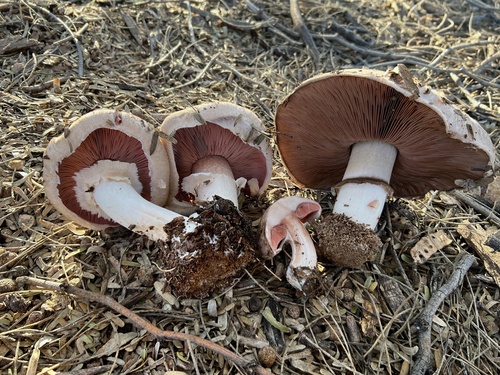

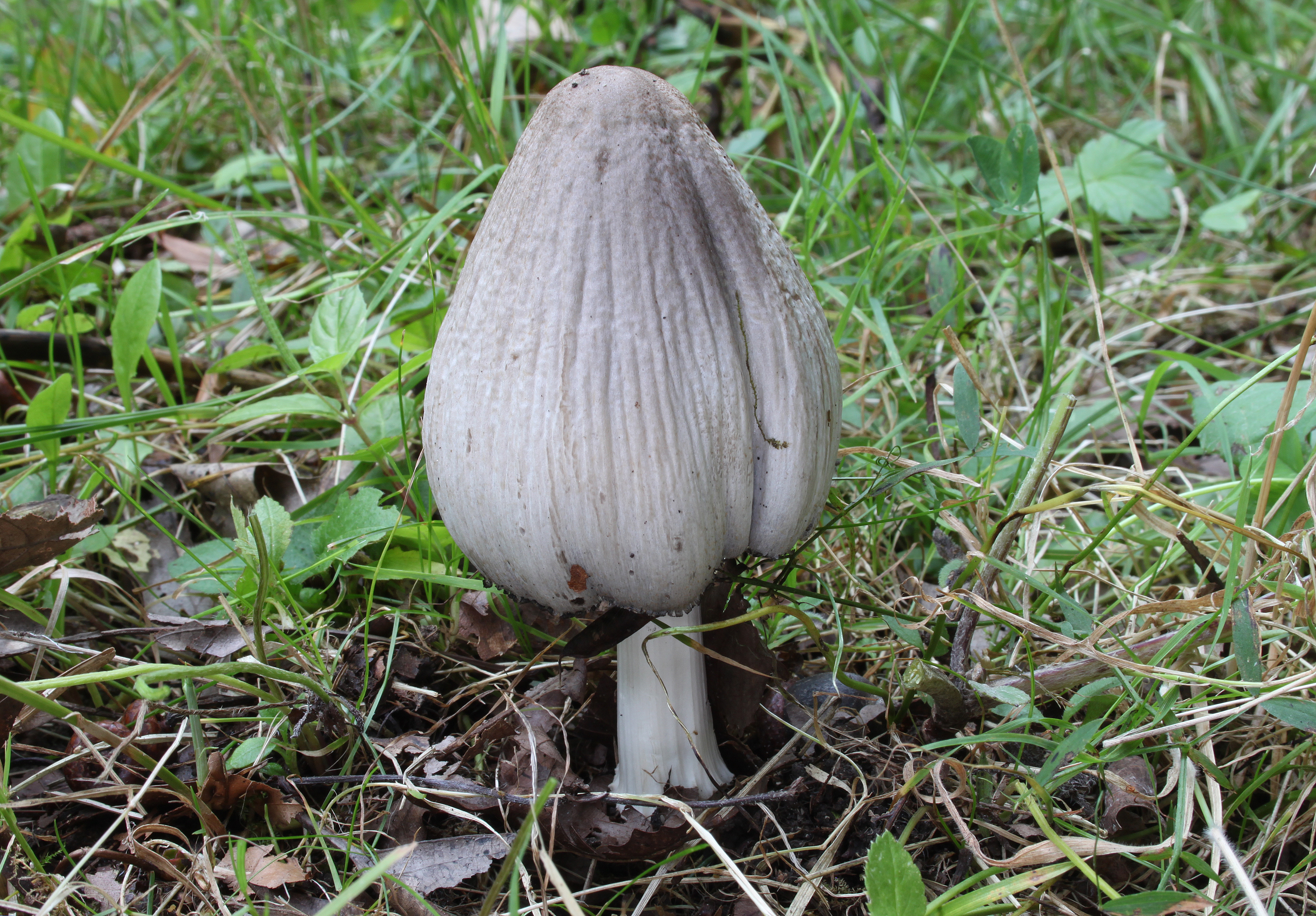


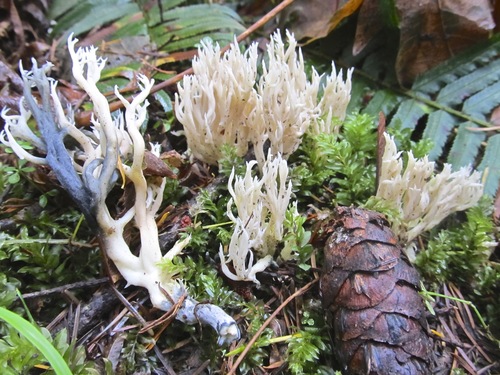


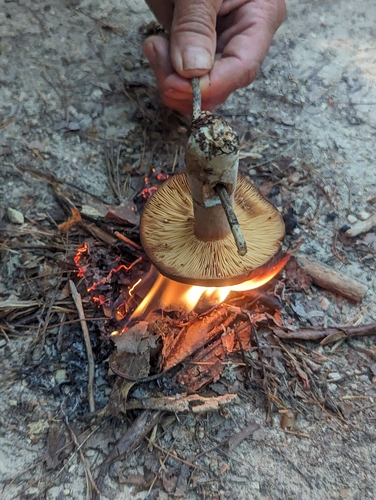

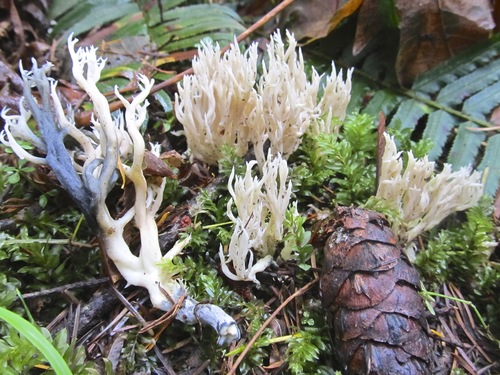

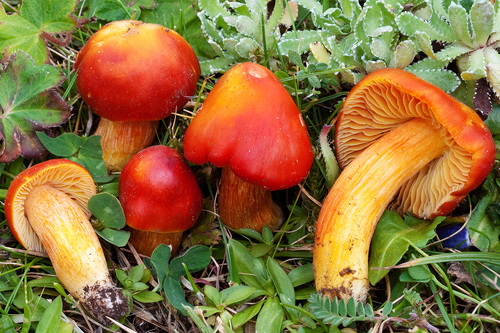
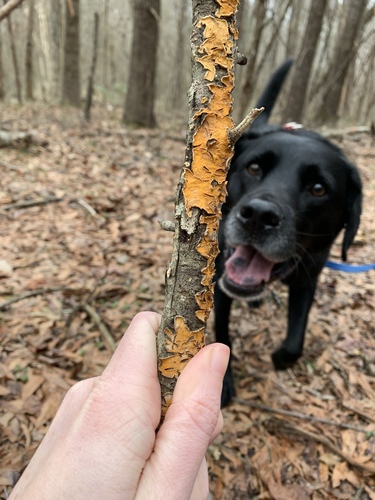


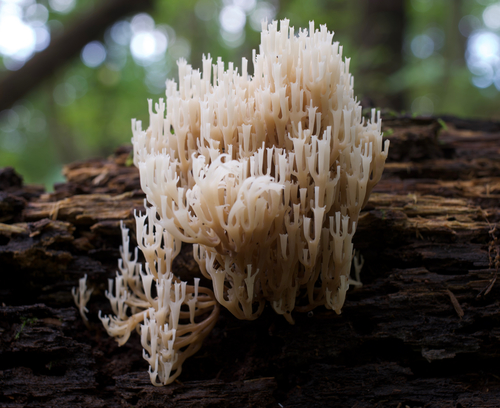

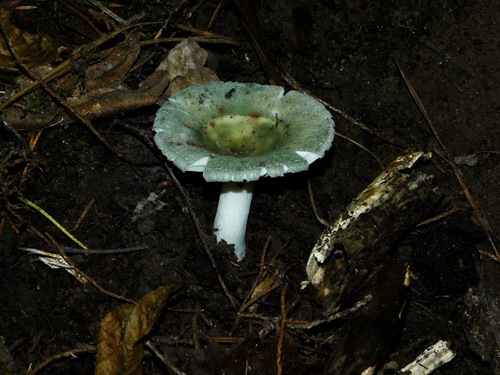



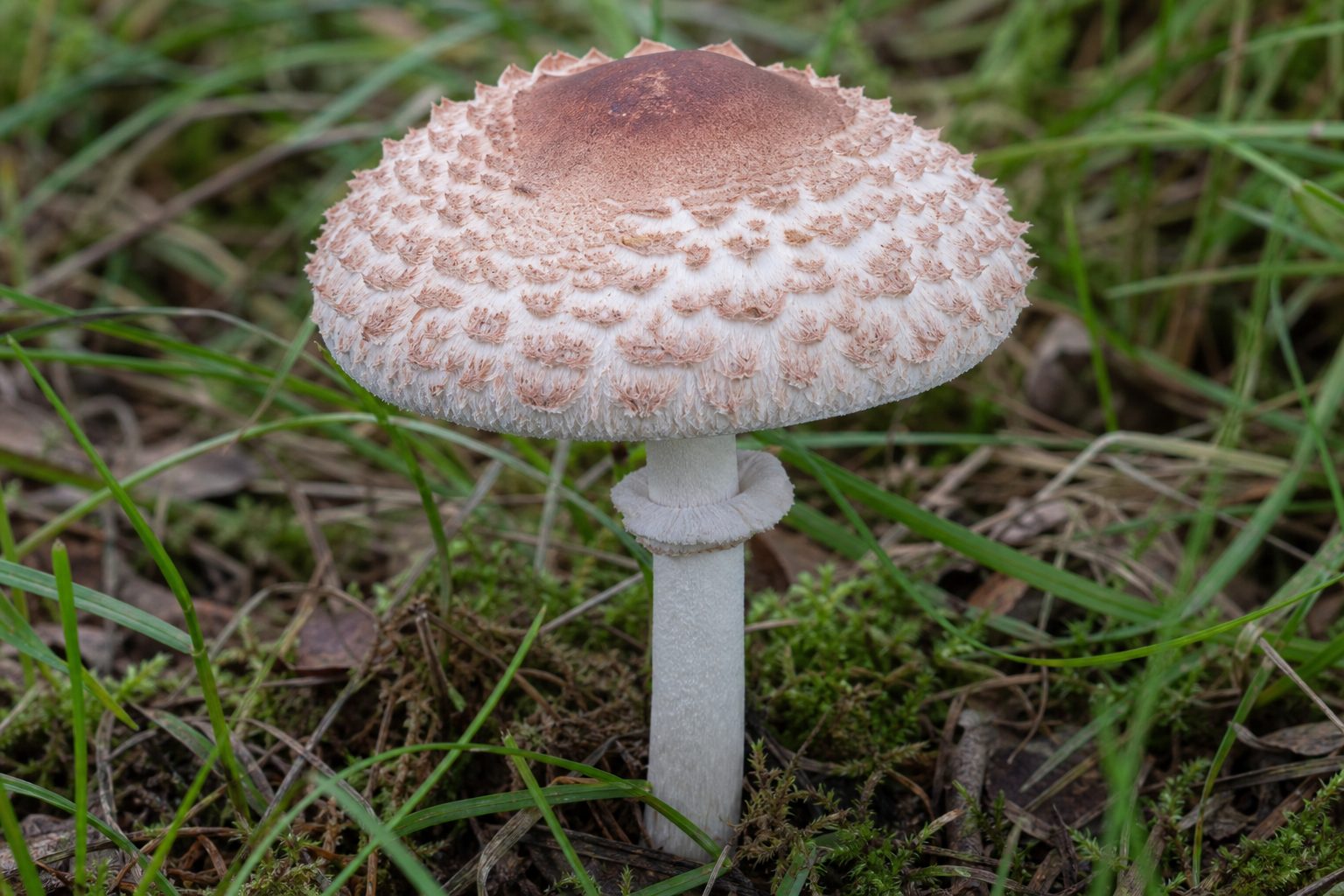
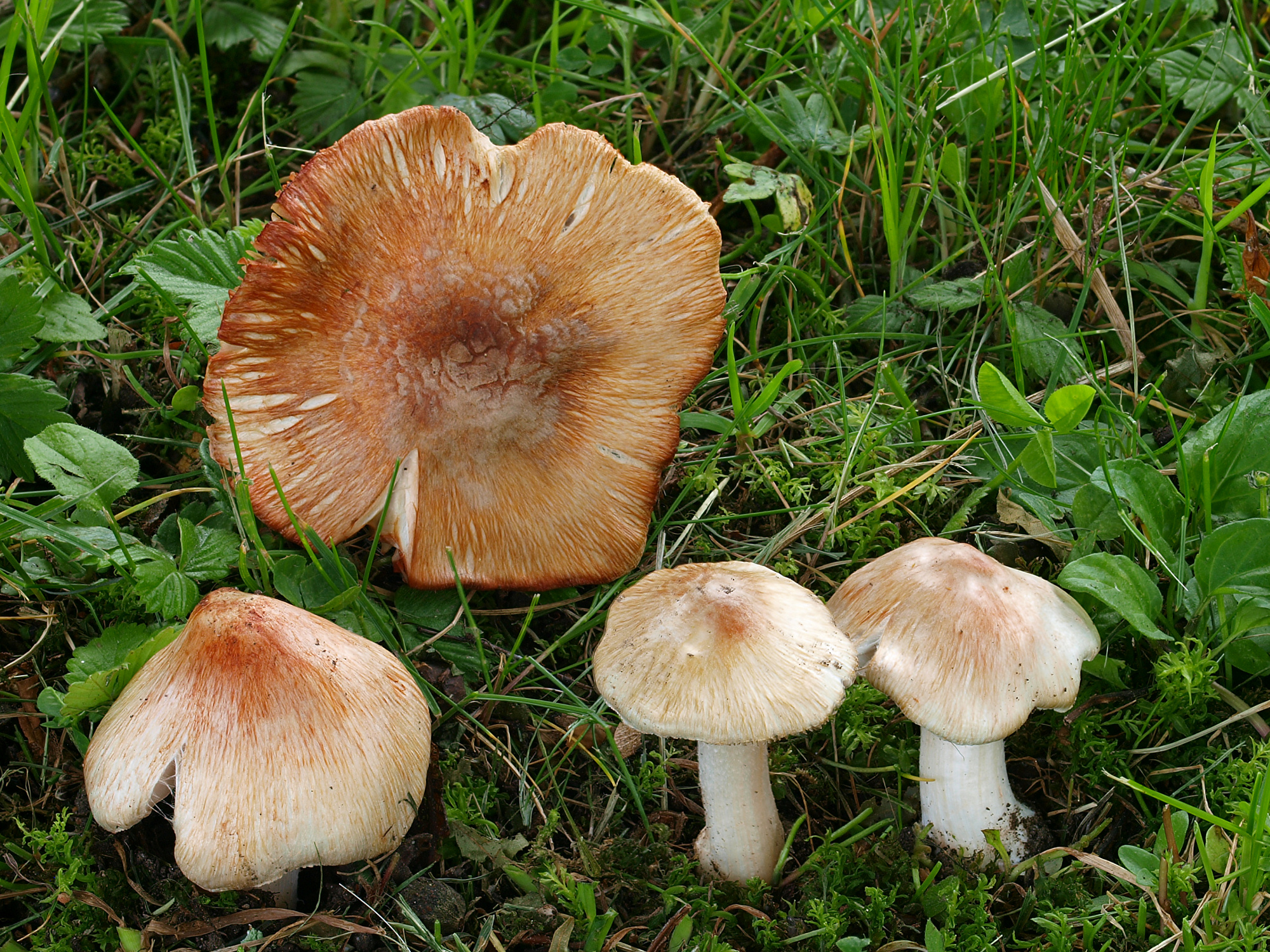
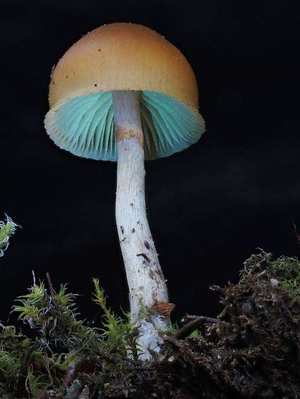

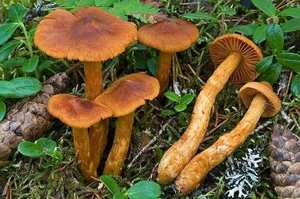
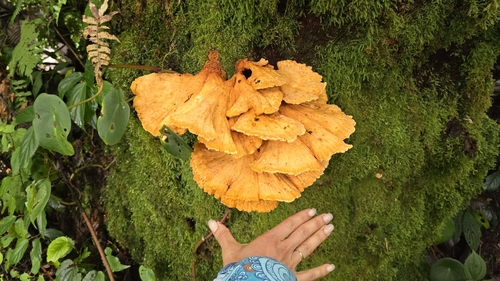
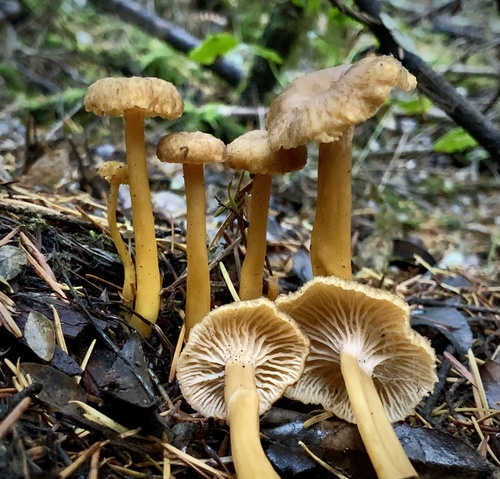
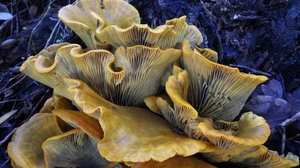
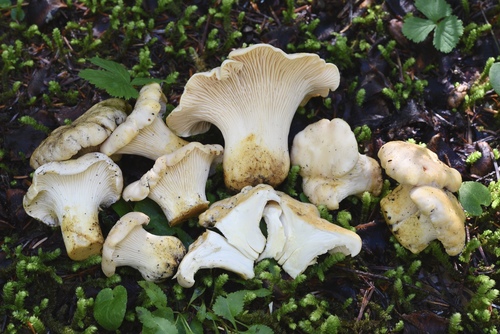
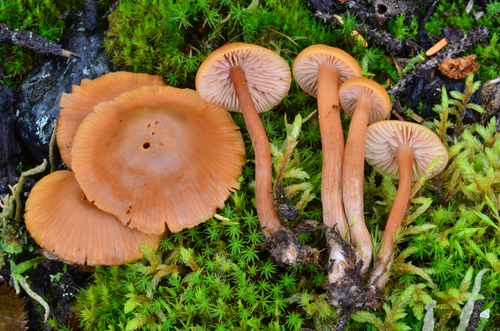
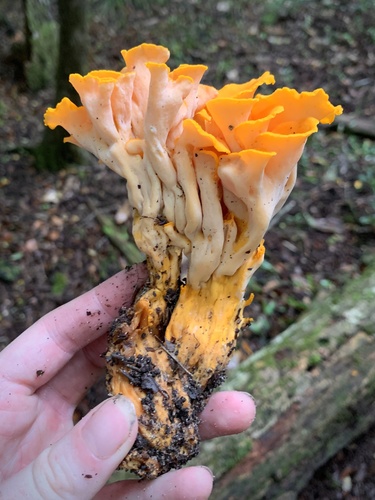
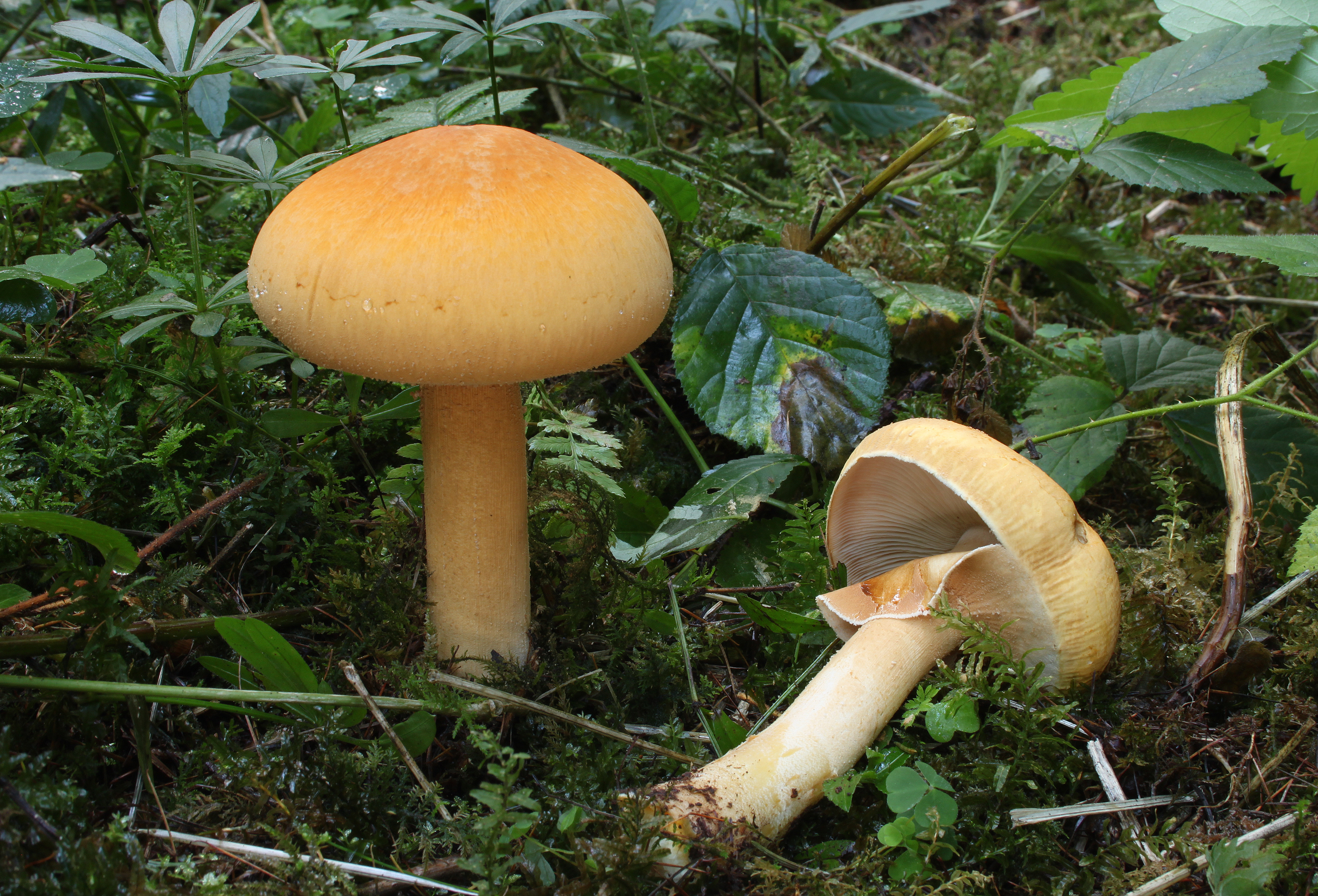
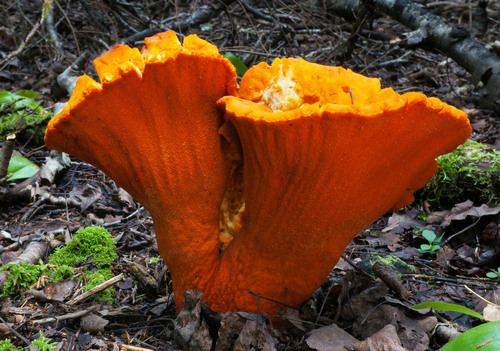
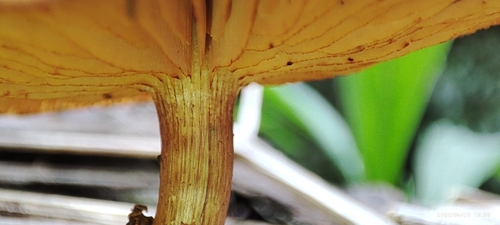
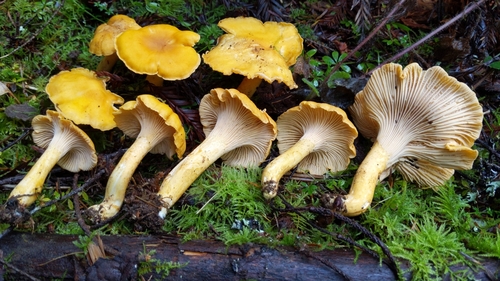
TREATMENT: Nephrology admission required immediately upon suspicion even without symptoms — do not wait for renal failure to manifest. Monitor electrolytes and creatinine daily. Long-term hemodialysis preparation. Activated charcoal is INEFFECTIVE at this delayed timeline. No specific antidote. CRITICAL DIAGNOSTIC NOTE: Patient may present weeks after ingestion with no memory of mushroom consumption — always ask in any unexplained AKI. Lookalike: Edible orange chanterelles.
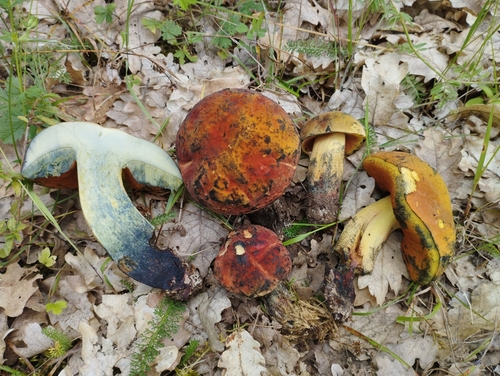


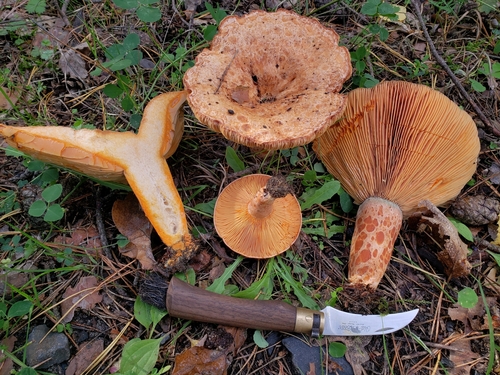

TREATMENT: Immediate hospitalization. Multi-dose activated charcoal (if within 24 hours). High-volume IV hydration. IV Silibinin (if available) or IV N-acetylcysteine (NAC). Monitor LFTs, INR, creatinine every 6–12 hours. Contact liver transplant center early. CROSS-REFERENCE: Also present in US Northeast region. Clinically identical to Amanita bisporigera (Ontario). Lookalike: Edible puffballs or white Agaricus species.
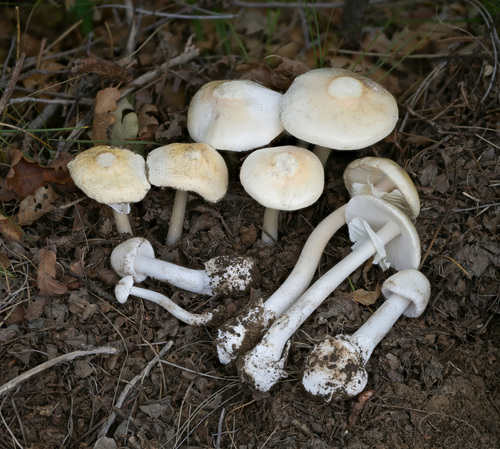
TREATMENT: ICU admission. Multi-dose activated charcoal via NG tube (if within timeline). High-dose IV N-acetylcysteine (NAC). Contact liver transplant center early. Monitor LFTs, INR, creatinine every 6–12 hours. CROSS-REFERENCE: Also present in US Northeast region. Clinically identical to Amanita virosa (Quebec). Lookalike: Wild white button mushrooms (Agaricus campestris).
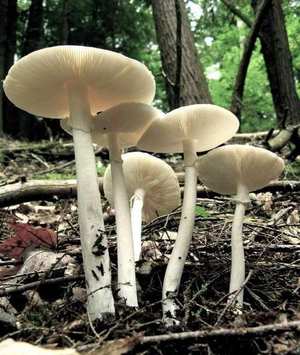
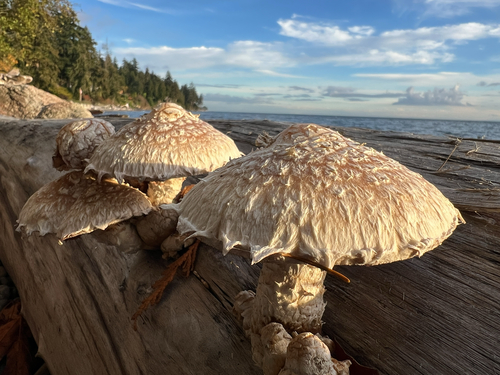



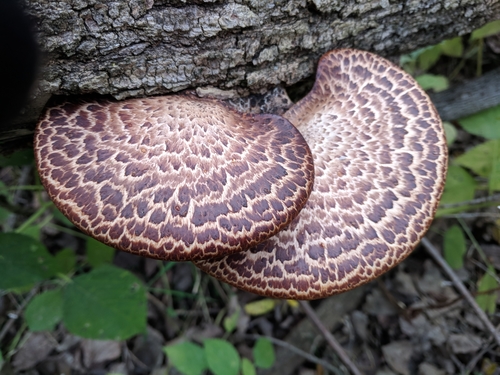






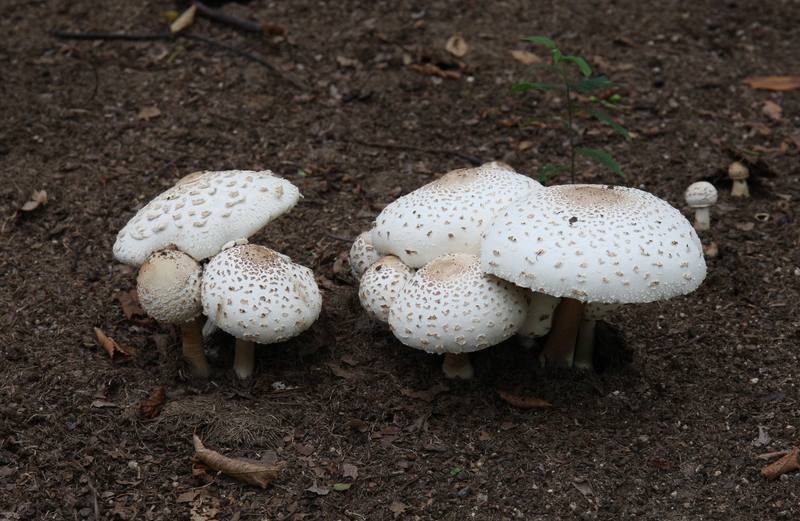
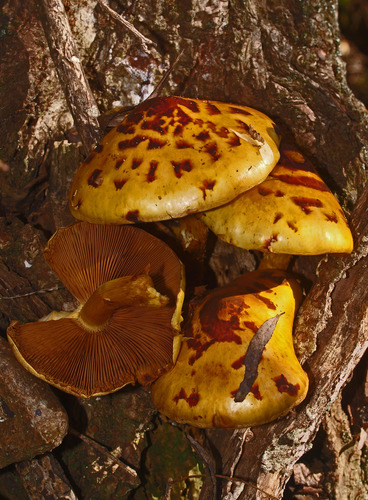


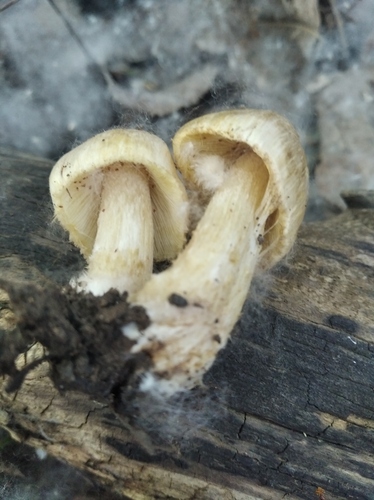


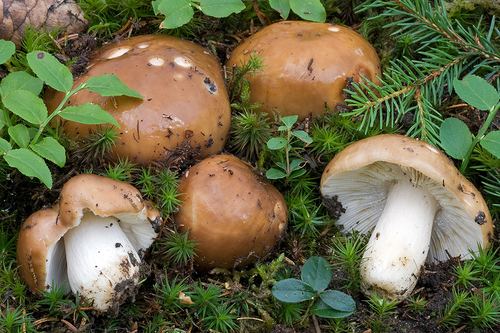


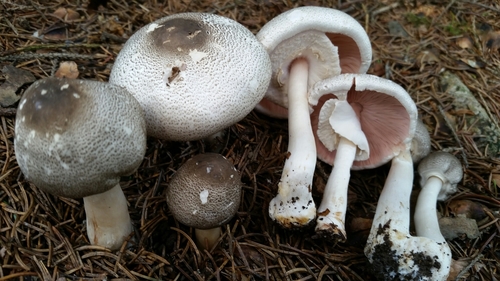


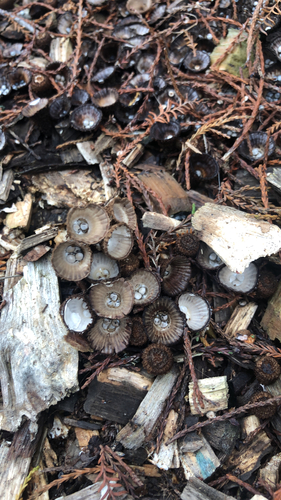

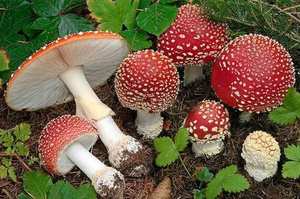


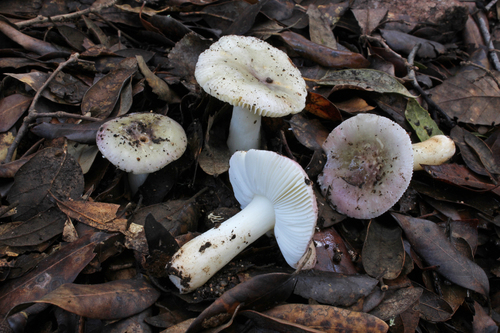


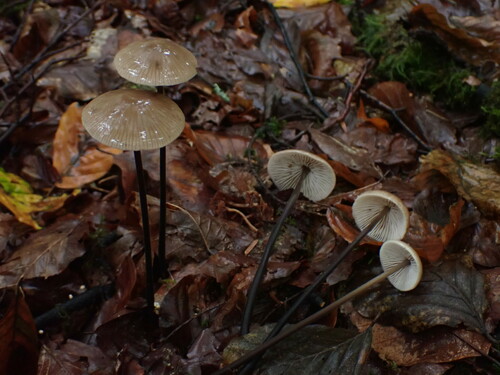







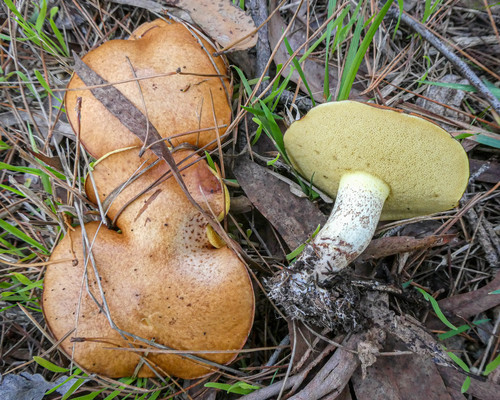


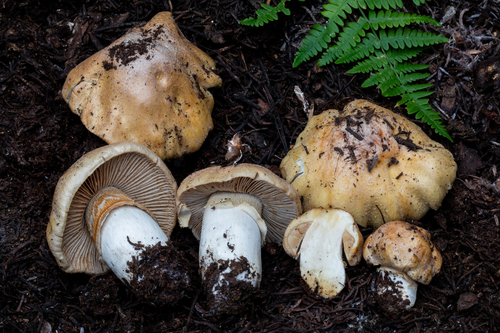


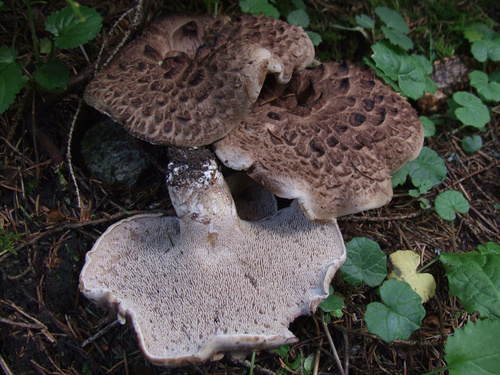
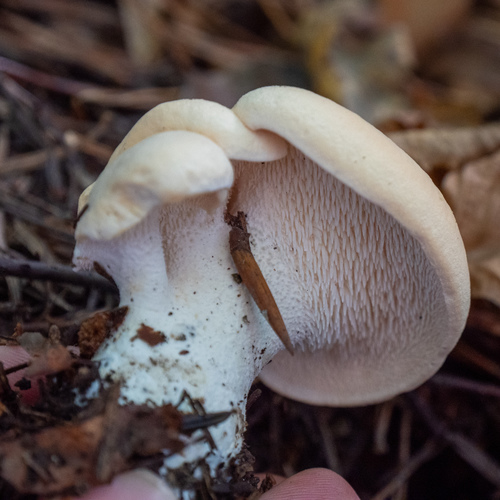

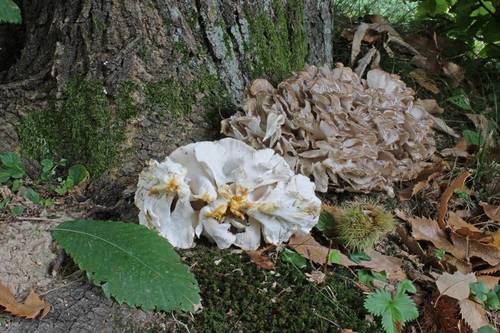


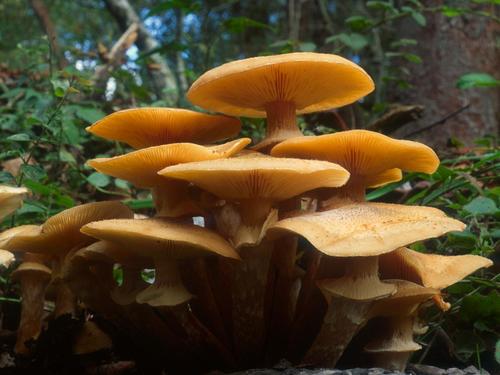


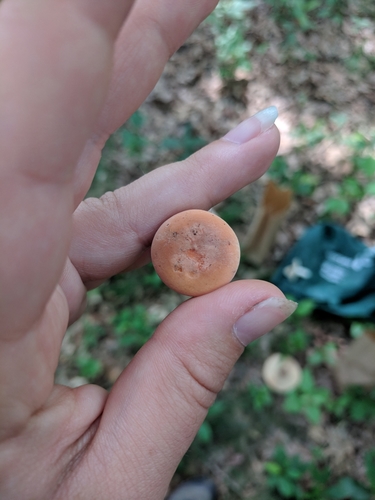


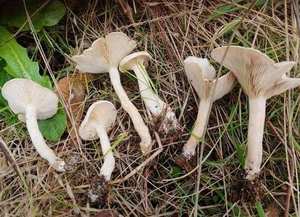

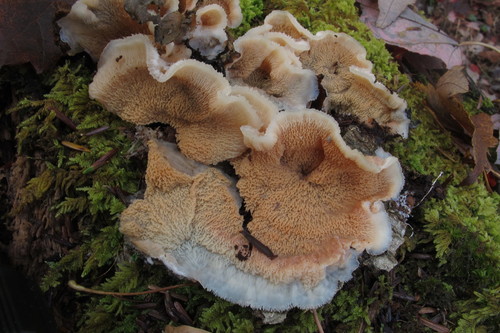
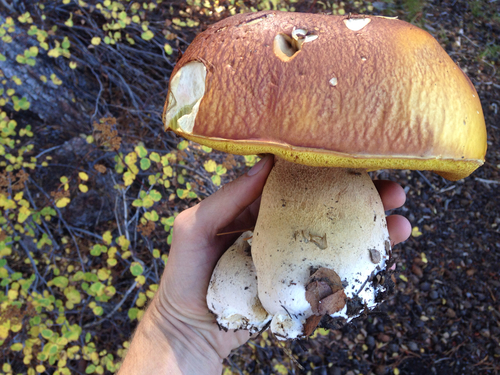


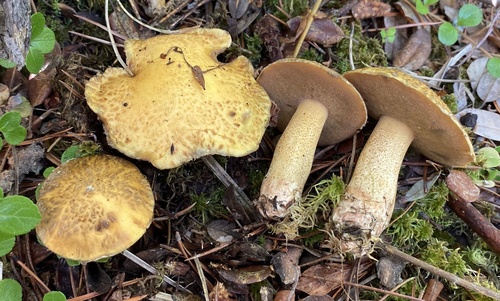







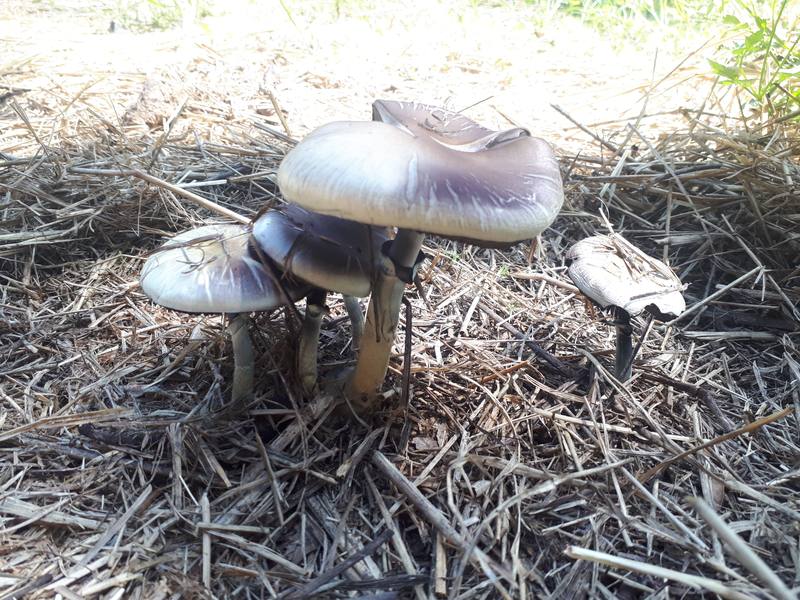

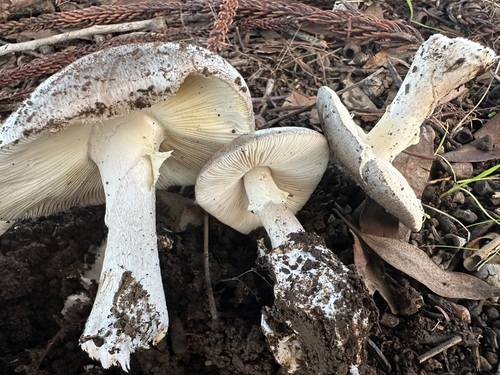
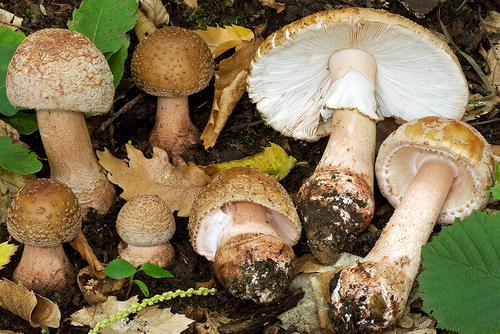
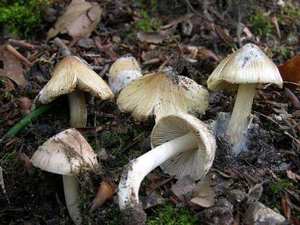
DO NOT EAT. Amanita genus — potential hepatotoxin. Treatment: Activated charcoal within 1-2 hours; aggressive IV hydration; baseline LFTs and PT/INR at admission; repeat at 24/48 hours. Call Poison Control: 1-800-222-1222.
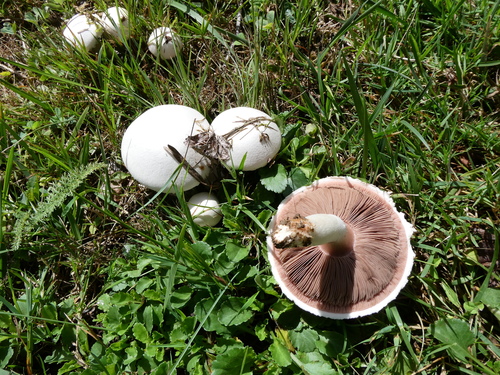


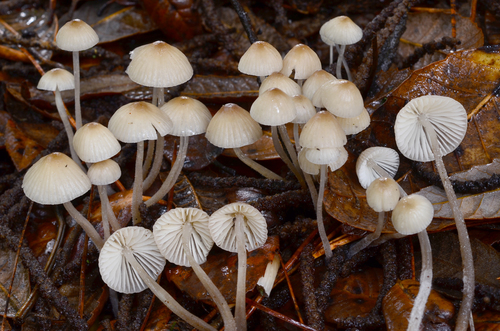

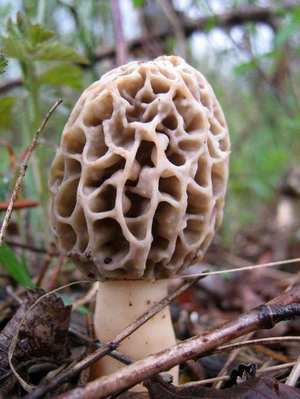
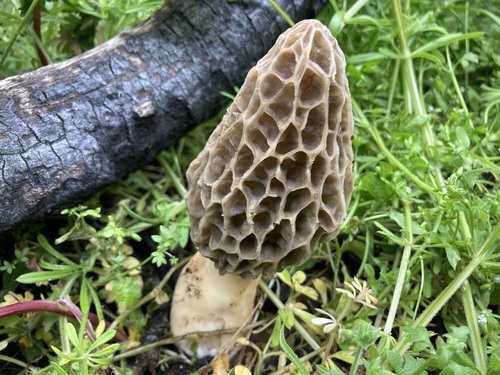


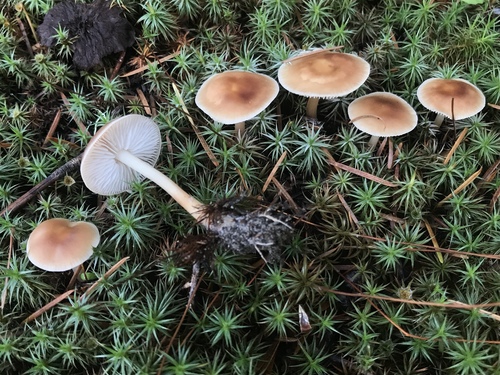

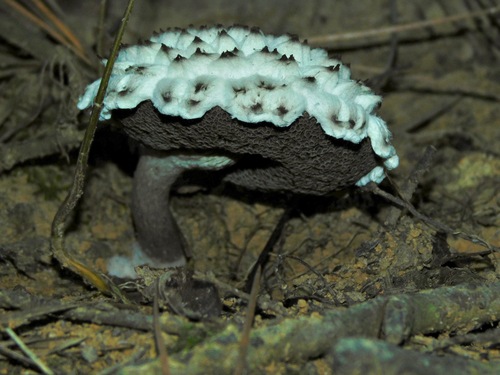

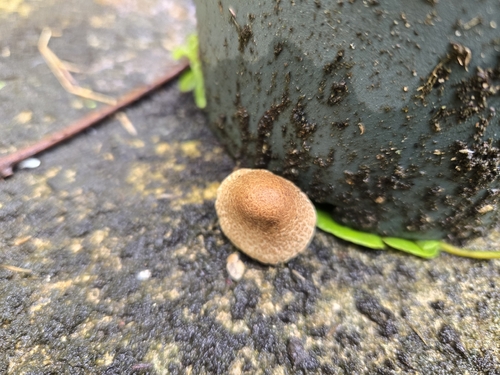
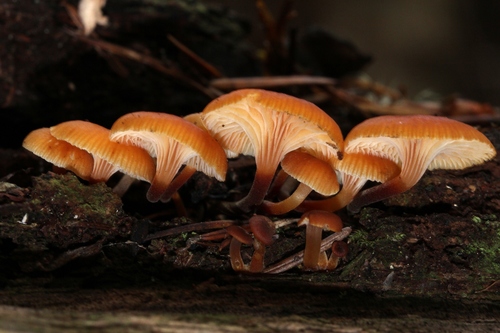
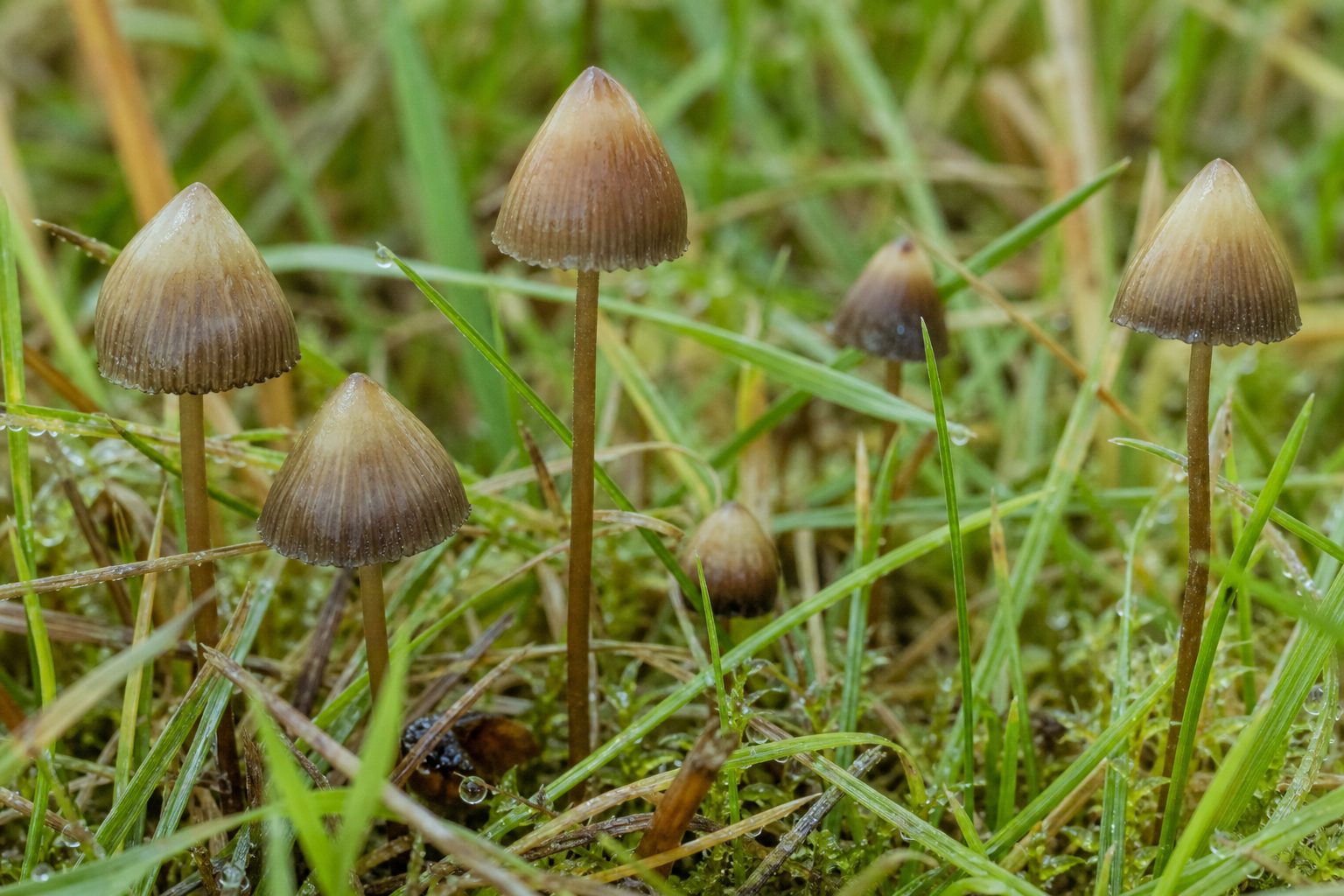
DO NOT EAT. POTENTIALLY DEADLY — contains lethal amatoxins. Treatment: Multi-dose activated charcoal; high-dose IV fluids; IV Silibinin or high-dose Acetylcysteine; monitor LFTs/PT/INR; urgent liver transplant consult if deterioration. Call Poison Control: 1-800-222-1222.
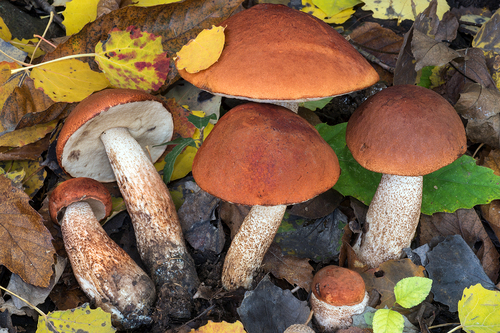
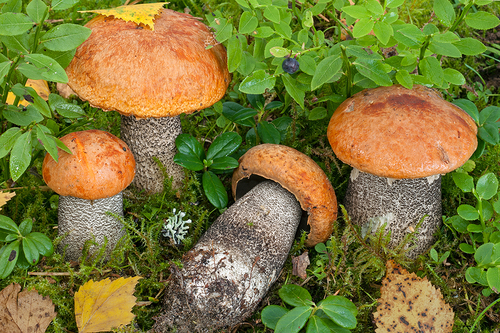


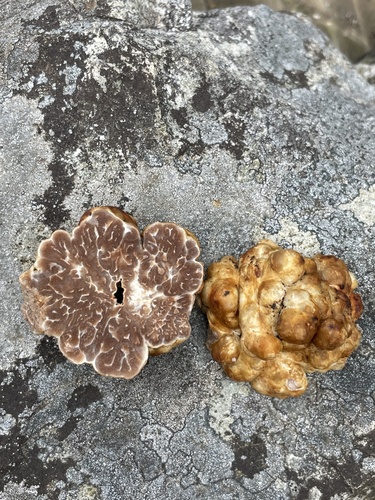

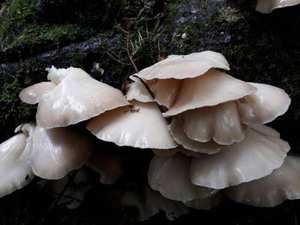







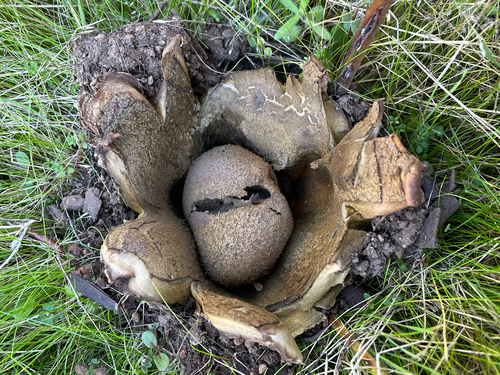
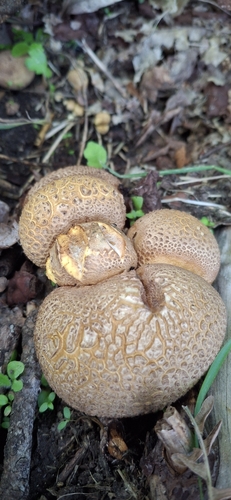
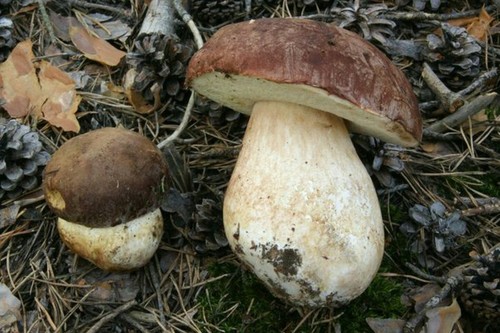

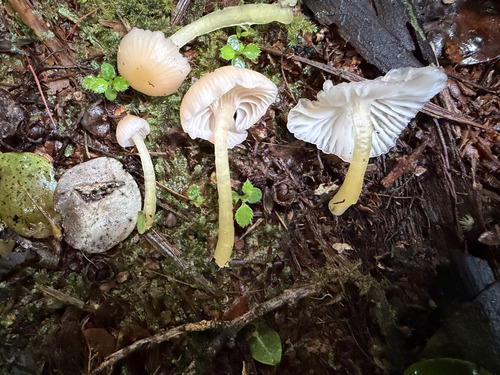

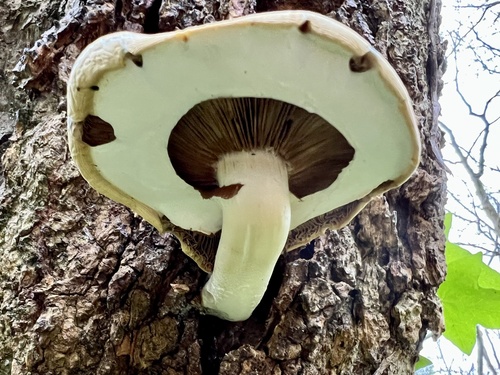


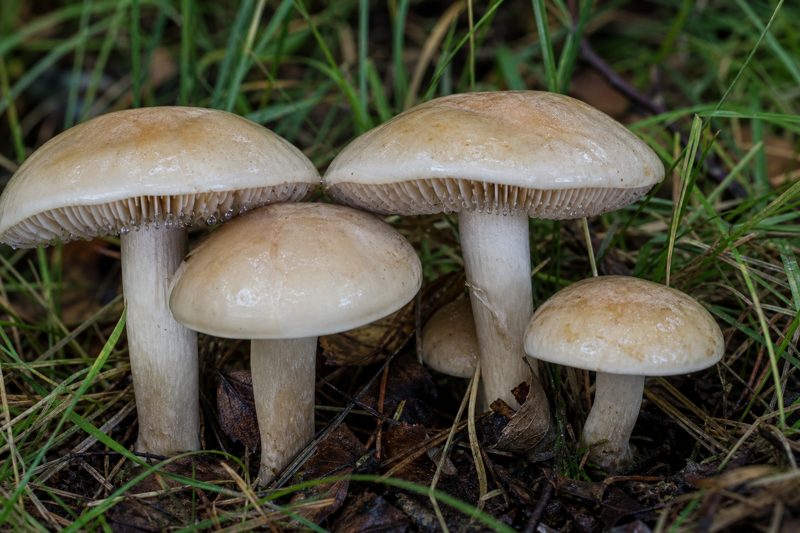


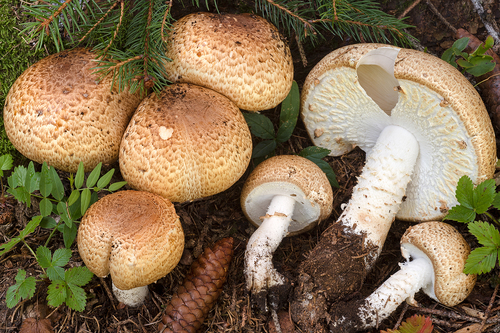


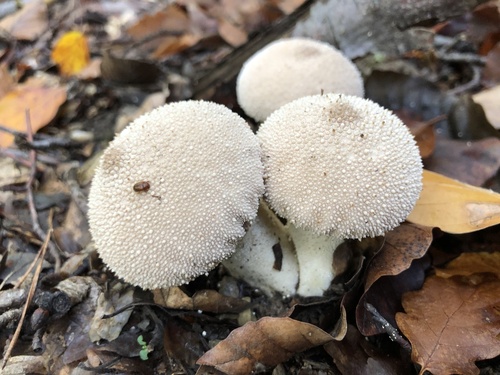




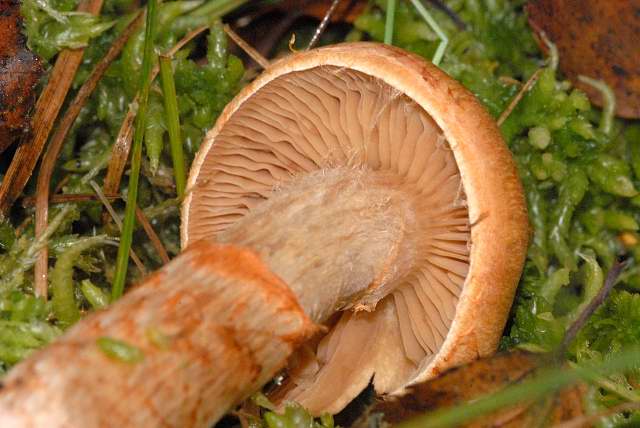


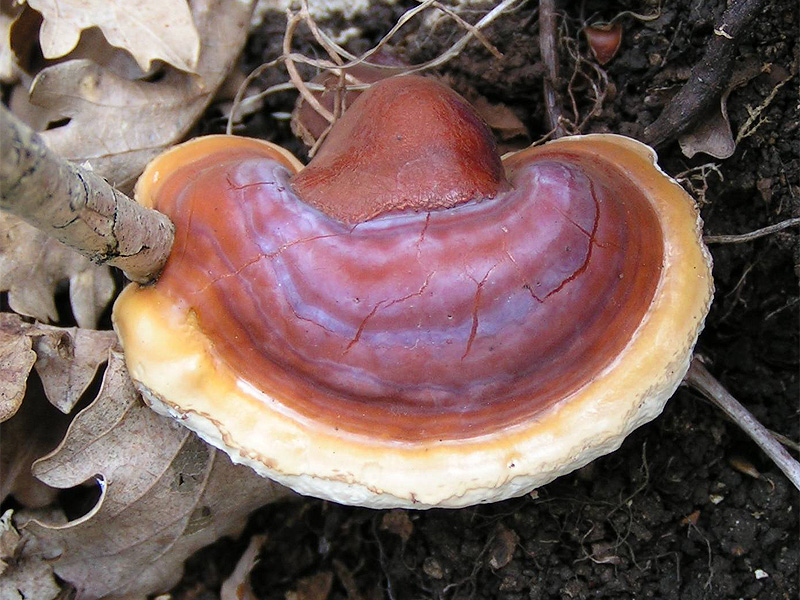
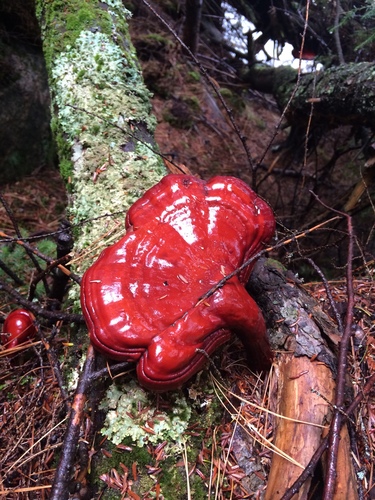


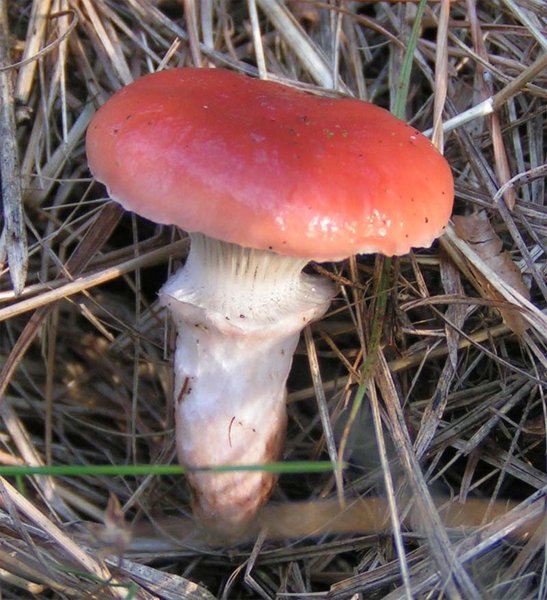
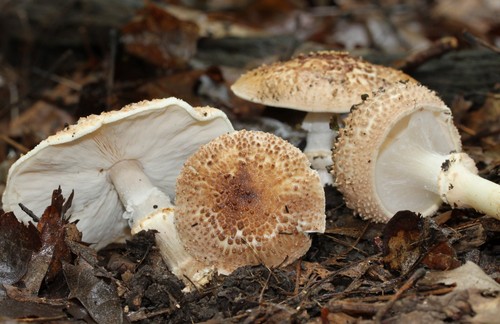





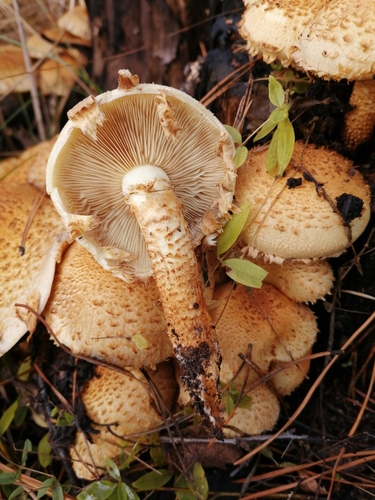

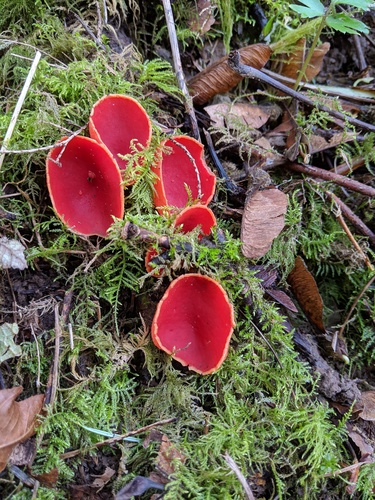







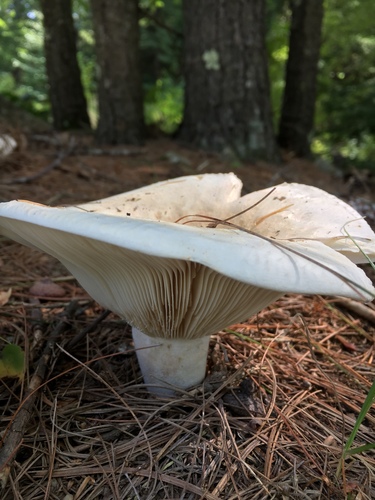
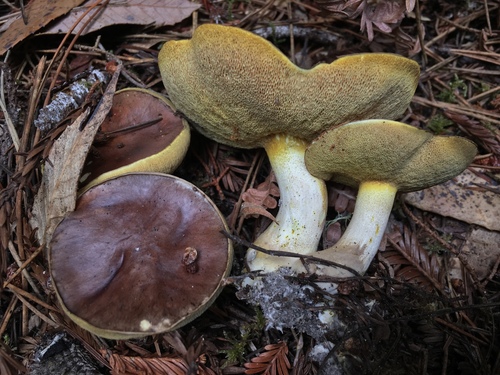


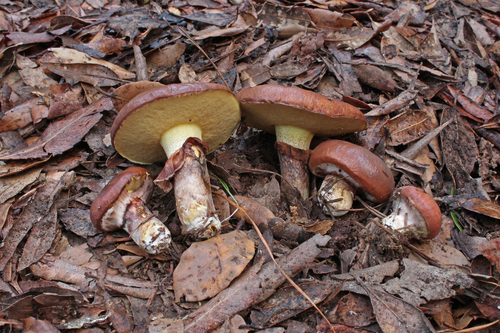


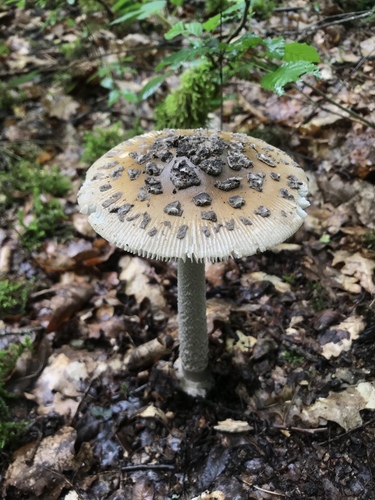


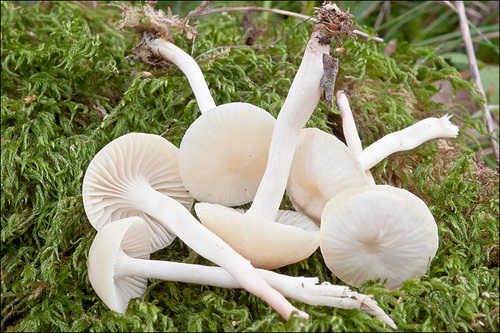


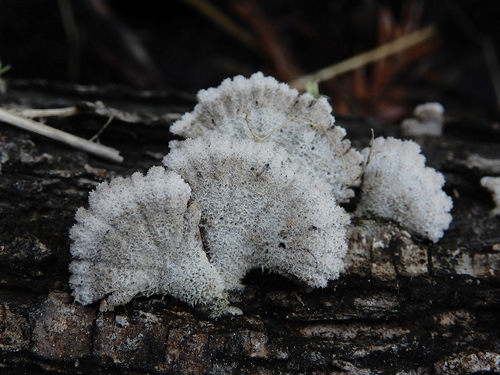
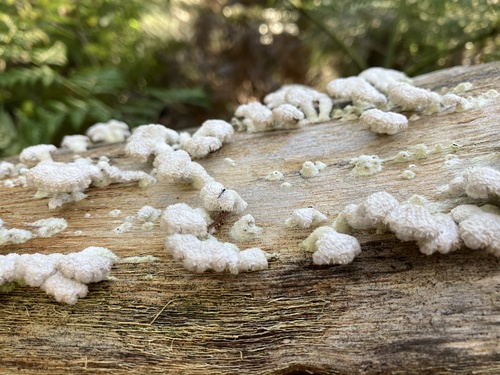


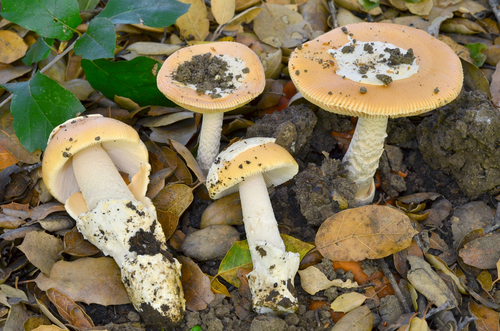


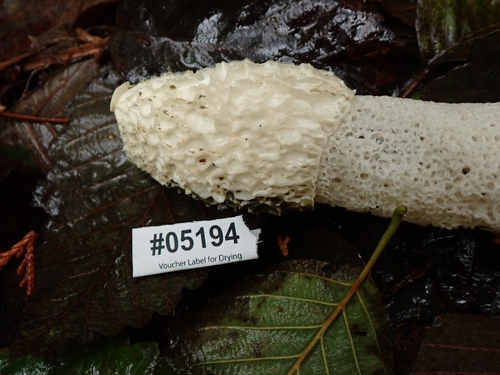

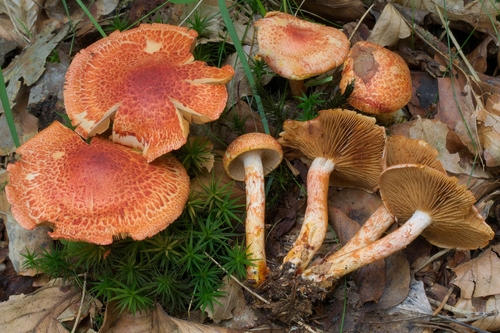
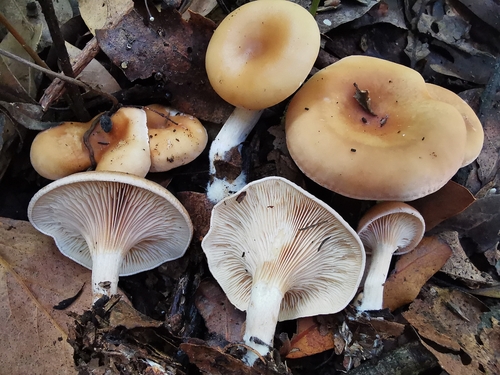
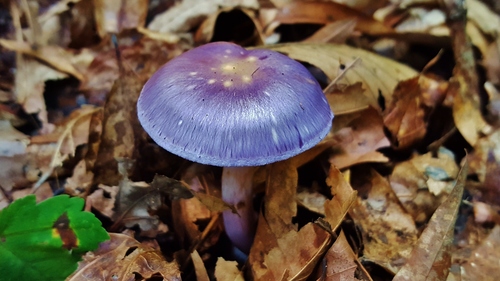
DEADLY — do not eat under any circumstances; orellanine toxin is irreversible kidney damage