⚠ If you suspect ingestion of this species, call Poison Control immediately:
1-800-222-1222 (US) · poison.org
1-800-222-1222 (US) · poison.org
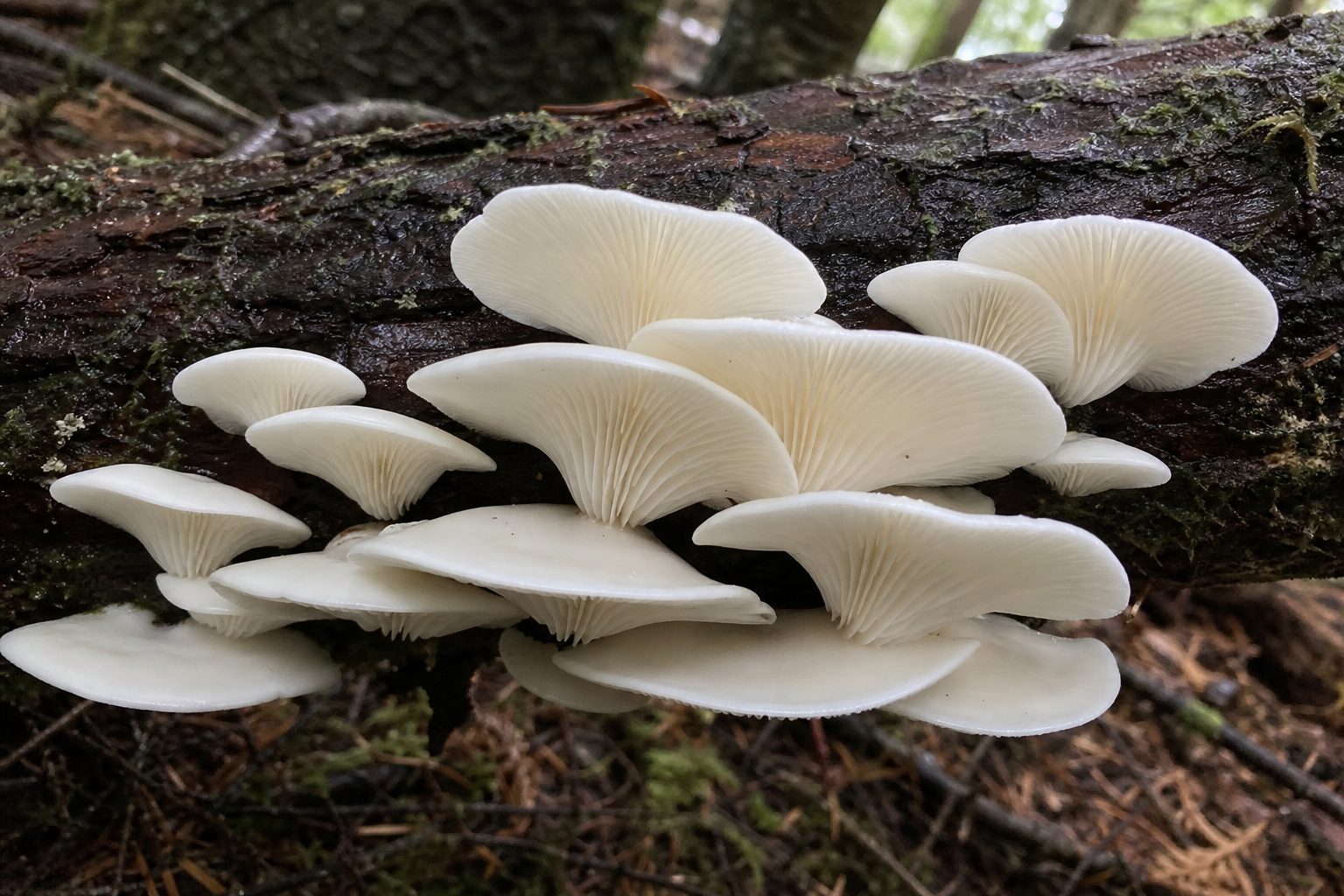
Key Identification Features
- Small thin white fan-shaped brackets growing on conifer wood (NOT hardwood)
- pure white gills
- very thin flexible flesh
- lacks the meaty thickness of Oyster Mushroom
- associated with fatalities in Japan in people with kidney disease
Symptoms & Toxicity
Neurotoxic in individuals with kidney disease. Causes fatal encephalopathy. Resembles oyster mushroom — do not confuse. Considered edible historically but implicated in deaths in Japan.
Regions Found
Region data not available
Look-Alikes
No documented look-alikes on record.
Safety disclaimer: This page is for educational purposes only. Never eat a wild mushroom based solely on online information. Always verify identification using multiple reliable field guides and, when possible, consult an experienced forager or mycologist. When in doubt, don't eat it. Spore & Scout accepts no responsibility for identification errors or adverse reactions. If you believe someone has ingested a toxic mushroom, call Poison Control (1-800-222-1222) immediately.