⚠ If you suspect ingestion of this species, call Poison Control immediately:
1-800-222-1222 (US) · poison.org
1-800-222-1222 (US) · poison.org
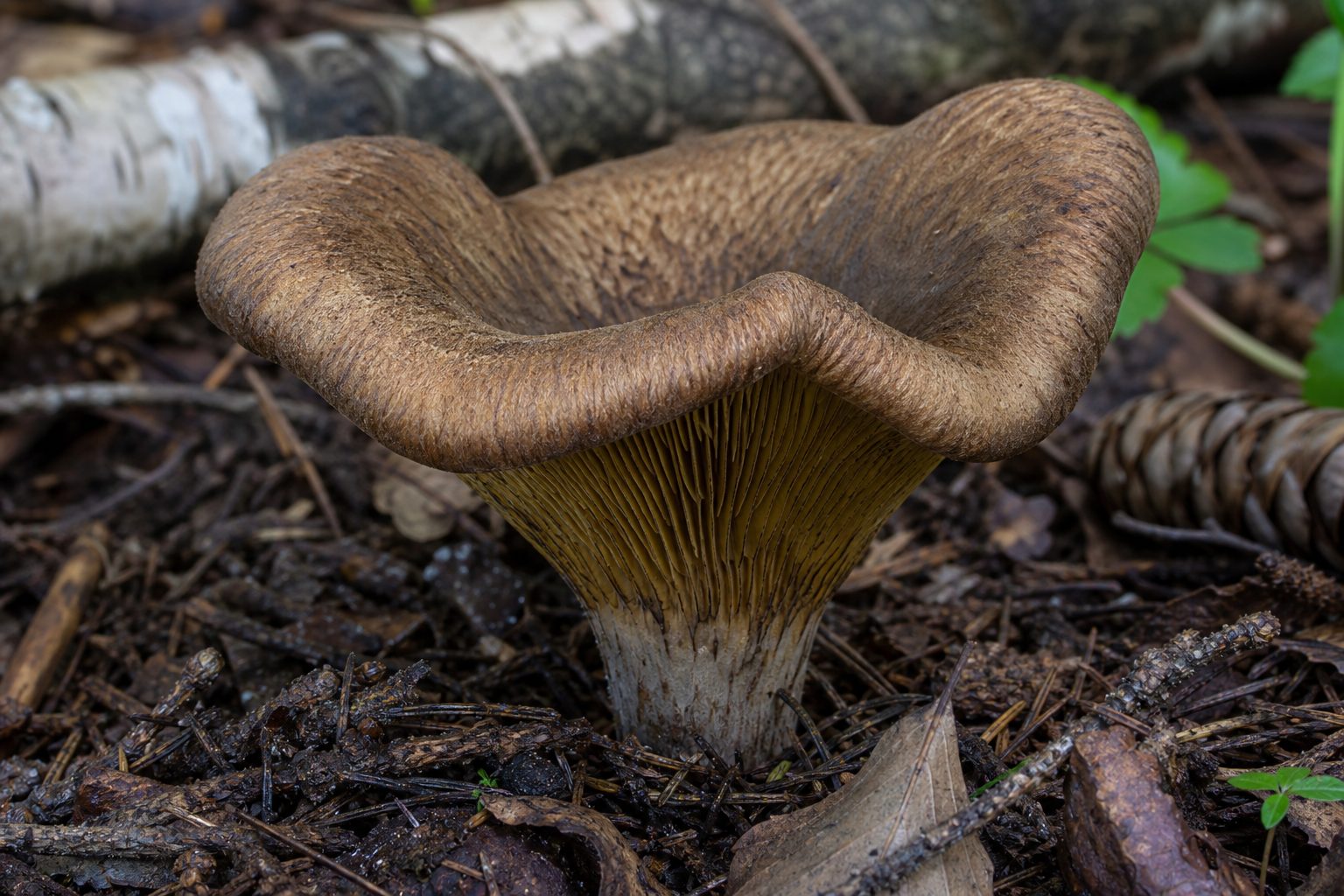
Key Identification Features
- Cap 5-12 cm, brown to olive-brown, margin strongly inrolled when young. Gills yellow-brown, easily separated from cap flesh, running down stem. Bruises brown. Found near birch and conifers. Brown spore print. Toxicity is immunological — reactions worsen with repeat ingestion across years.
Symptoms & Toxicity
FATAL DELAYED AUTOIMMUNE HEMOLYSIS: Contains antigens that trigger IgG-mediated autoimmune destruction of red blood cells, leading to acute hemolytic anemia, acute kidney failure, and death. Onset can occur after years of apparently safe consumption. Re-exposure triggers massive hemolytic crisis. Previously considered edible in some regions — now known to be deadly.
Regions Found
Region data not available
Look-Alikes
No documented look-alikes on record.
Safety disclaimer: This page is for educational purposes only. Never eat a wild mushroom based solely on online information. Always verify identification using multiple reliable field guides and, when possible, consult an experienced forager or mycologist. When in doubt, don't eat it. Spore & Scout accepts no responsibility for identification errors or adverse reactions. If you believe someone has ingested a toxic mushroom, call Poison Control (1-800-222-1222) immediately.