CITOX / Centro de Información Toxicológica: 911  |  Hospital Juárez de México (CDMX): consultoría toxicológica 24/7
MEXICO REGION 1 — CENTRAL HIGHLANDS

Updated and reviewed — June 2026

⚠ Disclaimer: This regional reference tool is for educational and rapid decision-support purposes only. It does not replace clinical judgment, institutional protocols, or direct consultation with Medical Toxicology or emergency services. Contact 911 immediately upon suspected toxic mushroom ingestion in Mexico.
Clinical Use Only. This reference is intended for emergency physicians, toxicologists, EMS personnel, poison control specialists, and other licensed healthcare providers responding to suspected mushroom toxicity cases. It is not a guide for foragers or laypersons. For active poisoning cases, contact 911 immediately for real-time case management support. Confirm all treatment decisions with current institutional protocols.
Regional Scope: Mexico’s Central Highlands encompass Estado de México, Puebla, Tlaxcala, and the Mexico City Metropolitan Area — a high-altitude (2,200–4,000 m) temperate zone dominated by pine-oak and fir forests. Amatoxin-bearing Amanita species are the leading cause of fatal mushroom poisoning in this region, frequently misidentified as the prized edible Amanita basii (Tecomate amarillo). Indigenous Nahuatl names for mushrooms are clinically relevant: patients presenting in regional hospitals often describe mushrooms by traditional names rather than Spanish or Latin nomenclature.

☎ Emergency Contacts — Mexico Region 1

🚨
Primary Human Poisoning — National Emergency Centro de Información Toxicológica (CITOX) via línea nacional de emergencias: 911 — disponible 24/7 en todo México.
🏥
Regional Reference Center — Human Toxicology Hospital Juárez de México (Ciudad de México) — consultoría toxicológica y cuidados intensivos de soporte las 24 horas del día. Centro de referencia regional para intoxicaciones graves por hongos.
🐾
Veterinary Emergency — Companion Animals Hospital Veterinario de Especialidades UNAM (CDMX) — ingestión de hongos tóxicos en animales de compañía. Referencia especializada para toxicología veterinaria en la zona metropolitana.
Quick Reference — All 6 Species
Common Name Scientific Name Tier Toxin Onset Primary Syndrome
Death Cap Amanita phalloides Tier 1 Amatoxins 6–24 hr Cyclopeptide — liver failure
Latin American Death Cap Amanita arocheae Tier 1 Amatoxins 6–24 hr Cyclopeptide — liver failure
Eastern Destroying Angel Amanita bisporigera Tier 1 Amatoxins & phallotoxins 6–24 hr Cyclopeptide — liver failure
Deadly Webcap Cortinarius rubellus / orellanus Tier 1 Orellanine 2–3 weeks Orellanus — acute kidney injury
False Morel Gyromitra esculenta Tier 1 Gyromitrin / MMH 6–12 hr Hydrazinic — seizures, hemolysis
False Parasol / Vomiter Chlorophyllum molybdites Tier 2 GI enterotoxins 1–3 hr Severe gastroenteritis
⚠ Tier 1 — Potentially Fatal

Amatoxin & High-Lethality Species

Immediate emergency management required. Delayed presentation is characteristic — the absence of early symptoms does not indicate safety. Always initiate Poison Control / 911 consultation for any suspected Amanita ingestion.
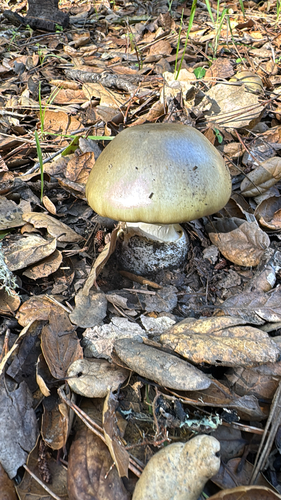
Amanita phalloides — Death Cap

Death Cap

Amanita phalloides (Vaill. ex Fr.) Link
Tier 1 — Potentially Fatal 6–24 hr onset
Nahuatl Name
Tzontecomananacatl — “Head/skull-shaped mushroom” (tzon- = head/skull, -nanacatl = mushroom suffix)
Identification Features
Cap 5–15 cm, pale greenish-yellow to olive-grey, occasionally nearly white in highland pale forms; white free gills; white ring (annulus); prominent basal cup (volva); white stem. Found in pine-oak-fir forests, often near introduced oaks in suburban areas of CDMX.
Regional Lookalike
⚠ Amanita basii (Tecomate amarillo / Tecomate) — prized edible in the Central Highlands. Pale forms of A. phalloides are frequently misidentified as this species at highland markets. This is the primary misidentification pathway for fatal poisonings in this region. Clinicians must be aware that patients may use the name “Tecomate” to describe the ingested mushroom.
Toxic Compound(s)
Amatoxins (α-amanitin, β-amanitin) — heat-stable bicyclic octapeptides; not destroyed by cooking, drying, or freezing.
Toxin Mechanism
Inhibits RNA polymerase II, blocking mRNA synthesis and halting protein production in hepatocytes, renal tubular cells, and intestinal epithelium. Irreversible cell death follows. Lethal dose as low as half a cap.
Clinical Syndrome
Cyclopeptide Syndrome — three phases: (1) Latent 6–24 hr; (2) GI phase: severe vomiting, watery diarrhea, cramping 6–24 hr post-ingestion; (3) “False recovery” day 2–3, then hepatorenal phase with rising transaminases, coagulopathy, fulminant hepatic failure, possible liver transplant or death days 4–8.
Onset Time
6–24 hours after ingestion. GI symptoms onset >6 hr strongly suggests amatoxin etiology. Onset <2 hr suggests a different toxin.
Treatment Protocols
Primary: IV Silibinin (Legalon SIL) — initiate as early as possible; most effective within 24–48 hr of ingestion.
Adjunctive: High-dose Penicillin G (300,000–1,000,000 IU/kg/day IV) — competes with amatoxins for hepatic uptake. Multi-dose activated charcoal (if within 24 hr and GI tract functional). N-acetylcysteine (NAC) for hepatoprotection. Aggressive IV fluid resuscitation. Monitor INR, LFTs, creatinine q6–8h. Hepatology and transplant surgery consultation early. Consider liver transplantation criteria if hepatic failure progresses.
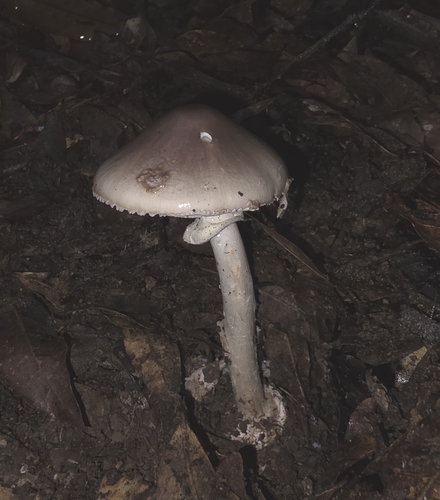
⚠ Critical Identification Warning: Amanita basii (Tecomate amarillo/Tecomate) is a highly prized edible mushroom widely sold at highland markets and foraged throughout Estado de México, Puebla, and Tlaxcala. Pale morphotypes of A. phalloides are visually indistinguishable in field conditions. Clinicians receiving patients from highland communities should treat any Tecomate ingestion with delayed-onset GI symptoms as a potential amatoxin case until definitively ruled out.
☎ Emergencia: 911 — Confirme siempre con servicios de emergencia ante sospecha de intoxicación.
Amanita arocheae — Latin American Death Cap

Latin American Death Cap

Amanita arocheae Tulloss, Ovrebo & Halling
Tier 1 — Potentially Fatal 6–24 hr onset
Nahuatl Name
Chichilnanacatl — “Bitter/toxic white form” (chichil- = bitter/acrid, -nanacatl = mushroom)
Identification Features
Cap 5–12 cm, white to pale ochre, smooth; prominent basal volva; white ring; white free gills; spore print white. Grows in mixed oak-pine forests of the Central Highlands, frequently in disturbed forest margins. Taxonomy under active revision — some specimens may represent a broader species complex.
Regional Lookalike
Amanita vaginata (Grisette — edible when cooked) or white Volvariella volvacea (Paddy straw mushroom). The critical differentiator is the ring (annulus) in A. arocheae, absent in A. vaginata. All white-capped Amanita with volva must be treated as potentially amatoxic.
Toxic Compound(s)
Amatoxins — specifically destroy RNA polymerase II in hepatocytes and renal cells. Full amatoxin profile equivalent to A. phalloides.
Toxin Mechanism
RNA polymerase II inhibition → arrest of transcription → hepatocyte and renal tubular necrosis. Clinical course identical to A. phalloides poisoning. Fatal dose: a single mushroom cap.
Clinical Syndrome
Cyclopeptide Syndrome — delayed GI onset 6–24 hr, followed by false improvement, then hepatorenal failure days 4–8. Clinically and biochemically indistinguishable from A. phalloides poisoning. Both species must be managed identically.
Onset Time
6–24 hours. Onset >6 hr after ingestion is the critical diagnostic signal for amatoxin syndrome.
Treatment Protocols
Same protocol as Amanita phalloides: IV Silibinin (Legalon SIL); high-dose Penicillin G; multi-dose activated charcoal; N-acetylcysteine; aggressive IV hydration; serial LFT/INR/creatinine monitoring; hepatology consultation; liver transplant evaluation if hepatic failure progresses.
☎ Emergencia: 911 — Confirme siempre con servicios de emergencia ante sospecha de intoxicación.
Amanita bisporigera — Eastern Destroying Angel

Eastern Destroying Angel

Amanita bisporigera G.F. Atk.
Tier 1 — Potentially Fatal 6–24 hr onset
Nahuatl Name
Iztacnanacatl — “Pure white mushroom” (iztac- = white/pure, -nanacatl = mushroom)
Identification Features
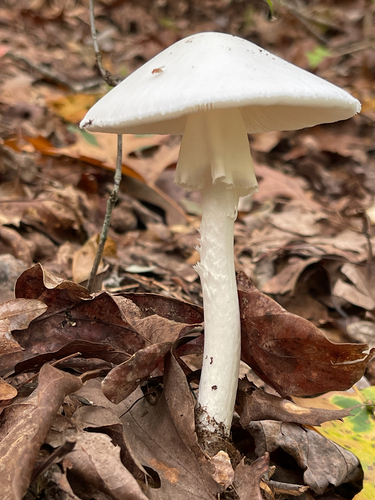
Entirely pure white — cap 5–12 cm, smooth; white gills; white ring; white stem; prominent white basal volva (cup). Grows in oak and mixed forest. No part of this mushroom is coloured; its pure whiteness is its most distinctive and dangerous feature.
Regional Lookalike
Wild edible Agaricus species (“Llaneros” — field mushrooms collected in highland grasslands). Critical differentiator: Agaricus spp. have free gills that turn pink then brown/black with age and pink spore prints; A. bisporigera has white gills and white spore print throughout. The basal volva confirms Amanita.
Toxic Compound(s)
Amatoxins (α-amanitin, β-amanitin) and phallotoxins. The highest α-amanitin concentration per gram of any documented mushroom species.
Toxin Mechanism
α-Amanitin: RNA polymerase II inhibition → protein synthesis arrest → hepatocyte necrosis. Phallotoxins: disrupt actin cytoskeleton in intestinal cells (contribute to GI phase). Combined lethality exceeds either compound alone.
Clinical Syndrome
Cyclopeptide Syndrome — clinically identical to A. phalloides poisoning. Three-phase presentation: silent latent → acute GI → hepatorenal failure. Consider the highest-risk amatoxin species encountered in this region given its extreme toxin concentration.
Onset Time
6–24 hours. Patients may present initially without symptoms; initiate emergency management based on history of ingestion, not symptom onset.
Treatment Protocols
Same protocol as Amanita phalloides: IV Silibinin (Legalon SIL); high-dose Penicillin G; multi-dose activated charcoal; N-acetylcysteine; aggressive IV hydration; serial hepatic and renal monitoring; hepatology consultation; liver transplant evaluation criteria for progressive hepatic failure.
☎ Emergencia: 911 — Confirme siempre con servicios de emergencia ante sospecha de intoxicación.
Cortinarius rubellus — Deadly Webcap

Deadly Webcap

Cortinarius rubellus Cooke / C. orellanus Fr.
Tier 1 — Potentially Fatal 2–3 weeks onset
Nahuatl Name
Coananacatl — “Snake/patterned-stem mushroom” (coa- = serpent/pattern reference, -nanacatl = mushroom), referencing the fibrous banded appearance of the stem.
Identification Features
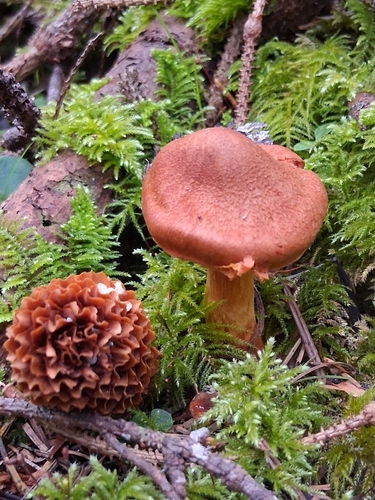
Cap 3–8 cm, dry, tawny to rusty-orange or dark brown; gills rusty-orange; stem pale orange-brown with fibrous bands (no ring — cobwebby cortina veil only); spore print rusty-brown; strong radish odour in some specimens. Found in highland pine forests (Pinus hartwegii zones) above 3,000 m.
Regional Lookalike
Brownish wild Lactarius or Tricholoma species. Critical differentiator: Lactarius exudes latex when gills are cut; Tricholoma typically grows in mycorrhizal rings and lacks rusty-brown spores. Absence of a true ring and presence of cobwebby cortina remnants on the stem confirms Cortinarius.
Toxic Compound(s)
Orellanine — a bipyridyl nephrotoxin. Extremely heat-stable; not destroyed by cooking. Accumulates in renal tissue; onset markedly delayed.
Toxin Mechanism
Orellanine generates reactive oxygen species specifically in renal proximal tubular cells → tubular necrosis → interstitial nephritis → progressive renal failure. No hepatotoxicity. Onset 2–3 weeks post-ingestion makes correlation with mushroom consumption difficult.
Clinical Syndrome
Orellanus Syndrome — extreme-delay presentation 2–3 weeks after ingestion. Initial: mild flu-like symptoms, headache, nausea. Progressive: oliguria, flank pain, rising creatinine, acute kidney injury. Many cases progressing to end-stage renal disease requiring permanent dialysis or renal transplant. Causation often not recognized at presentation — always take mushroom history for unexplained AKI.
Onset Time
2–3 weeks (range: 10 days to 3 weeks). The extreme delay is the most clinically dangerous feature.
Treatment Protocols
No specific antidote exists for orellanine. Management is supportive: hemodialysis (initiate for progressive AKI — dialysis does not accelerate orellanine clearance but manages renal failure complications); aggressive IV hydration; electrolyte management (monitor K+, phosphate, bicarbonate); serial renal function monitoring (creatinine, BUN, GFR); nephrology consultation; renal transplant evaluation for irreversible failure. Activated charcoal is not useful >24 hr post-ingestion. N-acetylcysteine may have antioxidant benefit — consider as adjunct.
☎ Emergencia: 911 — Confirme siempre con servicios de emergencia ante sospecha de intoxicación.
Gyromitra esculenta — False Morel

False Morel

Gyromitra esculenta (Pers.) Fr.
Tier 1 — Potentially Fatal 6–12 hr onset
Nahuatl Name
Cuauhteponnanacatl — “Tree-stump brain mushroom” (cuauhtepona- = tree stump/log, -nanacatl = mushroom), referencing its brain-like cap and growth on decaying conifers.
Identification Features
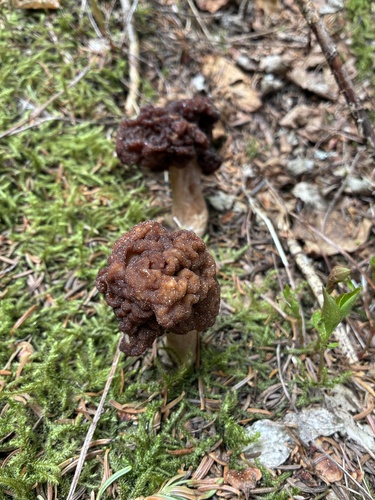
Cap 3–10 cm, deeply wrinkled/convoluted (brain-like, not pitted), reddish-brown to dark chestnut-brown; white-grey hollow stem; grows on or near rotting conifer wood in spring pine forests above 2,500 m. Appears from March–May coinciding with true morel season — the primary confusion window.
Regional Lookalike
True edible Morchella species (morels / morillas) in spring pine forests. Critical differentiator: true morels have pitted (honeycomb) caps with ridges forming a lattice; Gyromitra has saddle-shaped brain-like folds and is NOT hollow throughout. Cut through — morels are fully hollow; Gyromitra is chambered with cotton-like material.
Toxic Compound(s)
Gyromitrin — hydrolyzed to monomethylhydrazine (MMH) in the GI tract. MMH inhibits pyridoxal phosphate (vitamin B6) enzyme systems. Volatile: raw or lightly cooked specimens release toxic vapours; do not inhale cooking fumes.
Toxin Mechanism
MMH depletes pyridoxal phosphate → inhibits GABA synthesis → CNS hyperexcitability and seizures. Concurrent oxidative hemolysis → methemoglobinemia. Hepatotoxic at high doses. Mechanism analogous to hydrazine industrial toxicity.
Clinical Syndrome
Hydrazinic Syndrome — initial GI phase: nausea, vomiting, watery diarrhea 6–12 hr post-ingestion. Severe cases: headache, dizziness, weakness, then CNS effects — confusion, agitation, seizures (refractory). Hemolysis → hemolytic anemia, jaundice, hemoglobinuria, renal injury. Methemoglobinemia in severe cases. Hepatotoxicity with prolonged or high-dose exposure.
Onset Time
6–12 hours for GI symptoms; neurological effects may follow within hours of GI onset.
Treatment Protocols
Pyridoxine (Vitamin B6) IV 25 mg/kg (max 15–20 g/day) — titrated for seizure control; replenishes MMH-depleted pyridoxal phosphate; first-line for neurological manifestations. Benzodiazepines (diazepam or lorazepam) for refractory seizures unresponsive to pyridoxine. IV fluids for renal protection and to prevent hemoglobin precipitation in renal tubules. Monitor methemoglobin levels; methylene blue 1–2 mg/kg IV for methemoglobinemia >30%. Serial CBC for hemolytic anemia. Activated charcoal if early presentation. Avoid phenothiazines (lower seizure threshold).
☎ Emergencia: 911 — Confirme siempre con servicios de emergencia ante sospecha de intoxicación.
⚠ Tier 2 — Life-Threatening / Significant GI

Severe Gastroenterotoxic Species

Potentially life-threatening through dehydration and electrolyte collapse, particularly in children and elderly patients. Aggressive IV management required. Most patients recover fully with prompt supportive care.
Chlorophyllum molybdites — False Parasol

False Parasol / Vomiter

Chlorophyllum molybdites (G. Mey.) Massee
Tier 2 — Life-Threatening GI 1–3 hr onset
Nahuatl Name
Zacananacatl — “Pasture/grassland mushroom” (zaca- = grass/pasture, -nanacatl = mushroom), accurately describing its suburban turf and pasture habitat.
Identification Features
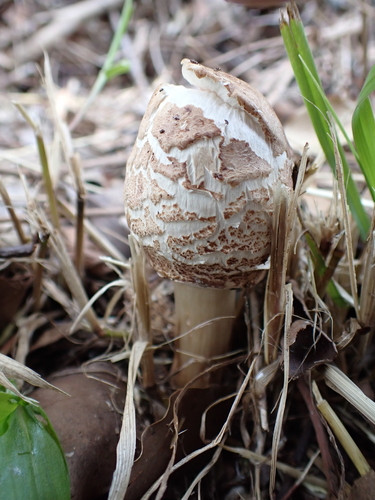
Cap 10–30 cm, white to pale cream with brown central scales, egg-shaped becoming parasol-shaped; gills free, white when young becoming green with age (diagnostic); moveable double ring; tall white stem; green spore print (single most reliable diagnostic feature). Grows in suburban lawns, parks, golf courses, and grassland edges throughout the CDMX metropolitan area and highland towns.
Regional Lookalike
Edible Macrolepiota procera (parasol mushroom) in suburban turf and pastures. Critical differentiator: Macrolepiota procera has white (never green) spore print and white gills throughout maturity; lacks green colouration in gills. The green spore print of C. molybdites is the single most reliable field differentiator — collect a spore print if any doubt exists.
Toxic Compound(s)
GI proteins — complex mixture of heat-labile and heat-stable enterotoxic proteins. Specific toxins incompletely characterized. Severe gastroenteritis with rapid fluid loss is the primary clinical risk.
Toxin Mechanism
Enterotoxic proteins disrupt intestinal epithelial integrity → severe mucosal irritation → profuse vomiting and diarrhea → fluid and electrolyte loss. Some patients show mild systemic absorption; severe cases may present with hypotension and electrolyte crisis without hepatic or renal involvement.
Clinical Syndrome
Severe gastroenteritis — rapid-onset (1–3 hr) profuse vomiting, violent watery diarrhea, severe abdominal cramping, headache, weakness. May produce significant dehydration within hours. Typically self-limiting within 6–12 hours in adults but can be dangerous in children, elderly, and immunocompromised patients due to dehydration severity.
Onset Time
1–3 hours. Rapid onset (under 2 hr) distinguishes GI toxin syndromes from amatoxin syndromes (which present after 6 hr). This distinction is critical for differential management.
Treatment Protocols
Aggressive IV crystalloid resuscitation — NS or LR; titrate to urine output and hemodynamic stability. Antiemetics (ondansetron, metoclopramide) for severe vomiting. Electrolyte replacement (K+, Na+ as indicated). Oral rehydration when tolerated. Monitor blood pressure, heart rate, urine output closely in first 6 hr. No antidote; management is entirely supportive. Prognosis is good with prompt hydration. Discharge when tolerating oral fluids and hemodynamically stable.
☎ Emergencia: 911 — Confirme siempre con servicios de emergencia ante sospecha de intoxicación.

🌿 Nahuatl Nomenclature Matrix — Central Highlands

Indigenous Nahuatl nomenclature for mushrooms in the Central Highlands uses the suffix -nanacatl (mushroom) with prefixed morphological or ecological descriptor tags. This naming system is deeply embedded in highland communities of Estado de México, Puebla, and Tlaxcala, and patients presenting at regional hospitals frequently use Nahuatl names rather than Spanish or Latin names to describe ingested mushrooms.

Clinicians should familiarize themselves with these names and include traditional mushroom name documentation in the clinical history when treating suspected mushroom poisoning in this region.

⚠ Critical Identification Warning for Clinicians — Tecomate: Amanita basii / caesarea complex (Tecomate or Tecomate amarillo) is one of the most prized and widely consumed edible mushrooms in the Central Highlands region. It is harvested and sold at highland markets in Estado de México, Puebla, and Tlaxcala throughout the late-summer and autumn rainy season. Pale or white-capped morphotypes of Amanita phalloides are visually similar to Amanita basii in field conditions and have caused fatal poisonings through this misidentification pathway. When a patient reports eating “Tecomate” or “Amanita amarilla” with delayed-onset GI symptoms, initiate amatoxin workup and management immediately — do not wait for symptom progression to confirm the syndrome.
Nahuatl Name Meaning / Etymology Species Toxicity
Tzontecomananacatl Head/skull-shaped mushroom (tzontecoma = skull/head) Amanita phalloides Fatal — Amatoxins
Chichilnanacatl Bitter/acrid mushroom (chichil = bitter) Amanita arocheae Fatal — Amatoxins
Iztacnanacatl Pure white mushroom (iztac = white) Amanita bisporigera Fatal — Amatoxins & phallotoxins
Coananacatl Snake/patterned-stem mushroom (coa- = serpent) Cortinarius rubellus / orellanus Fatal — Orellanine (renal)
Cuauhteponnanacatl Tree-stump brain mushroom (cuauhtepona = tree stump) Gyromitra esculenta Potentially fatal — Gyromitrin
Zacananacatl Pasture/grassland mushroom (zaca- = grass/pasture) Chlorophyllum molybdites Severe GI toxin
Tecomate / Tecomate amarillo Cup mushroom / yellow cup (tecomatl = cup/vessel) Amanita basii (EDIBLE — critical lookalike) Edible — frequently confused with fatal A. phalloides
Antidote & Treatment Matrix
Target Toxin Clinical Syndrome Primary Antidote / Action Secondary Therapy
Amatoxins
Amanita phalloides, A. arocheae, A. bisporigera
Cyclopeptide Syndrome — delayed hepatotoxicity, liver failure (onset 6–24 hr) IV Silibinin (Legalon SIL) — initiate as early as possible; most effective within 24–48 hr of ingestion High-dose Penicillin G (300,000–1,000,000 IU/kg/day IV); multi-dose activated charcoal (if within 24 hr); N-acetylcysteine; aggressive IV hydration; hepatology consultation; liver transplant evaluation
Orellanine
Cortinarius rubellus / orellanus
Orellanus Syndrome — delayed acute kidney injury (onset 2–3 weeks) Hemodialysis (no specific antidote) — manages progressive AKI; does not accelerate orellanine elimination Aggressive IV hydration; electrolyte management (K+, phosphate, bicarbonate); serial renal monitoring; nephrology consultation; renal transplant evaluation for irreversible failure
Gyromitrin / MMH
Gyromitra esculenta
Hydrazinic Syndrome — seizures, hemolysis (onset 6–12 hr) Pyridoxine (Vitamin B6) IV 25 mg/kg — titrated for seizure control; replenishes MMH-depleted pyridoxal phosphate Benzodiazepines for refractory seizures; IV fluids for renal protection; methylene blue 1–2 mg/kg IV for methemoglobinemia >30%; monitor CBC for hemolytic anemia
GI Enterotoxins
Chlorophyllum molybdites
Severe gastroenteritis — dehydration, electrolyte crisis (onset 1–3 hr) Aggressive IV crystalloids (NS or LR) — titrate to urine output and hemodynamics Antiemetics (ondansetron, metoclopramide); electrolyte replacement; oral rehydration when tolerated; symptomatic supportive care

🐾 Veterinary Toxicology — Canine Focus

Dogs in Mexico’s Central Highlands are exposed to two distinct hazard zones: suburban lawns and parks (primary risk: Chlorophyllum molybdites) and forest-floor foraging during highland walks (primary risk: Amanita species). Veterinary Emergency: Hospital Veterinario de Especialidades UNAM (CDMX) for companion animal mushroom ingestion.

Clinical Presentation
GI toxin (Chlorophyllum): Sudden-onset vomiting, profuse watery or hemorrhagic diarrhea (hematochezia), extreme lethargy, abdominal pain, excessive salivation within 1–3 hours of lawn mushroom ingestion. Rapid dehydration in small breeds.

Amatoxin (Amanita spp.): Critical warning — a characteristic “false recovery” phase occurs at 12–24 hours post-ingestion, during which the animal appears to improve. This is followed by fulminant hepatic necrosis with jaundice, coagulopathy, encephalopathy, and multi-organ failure. Do not discharge or reassure owners during this apparent recovery window.
Triage Protocol
Induce emesis only if: (1) ingestion within 2 hours, AND (2) animal is fully conscious, asymptomatic, and not brachycephalic. Use apomorphine (dogs: 0.03–0.04 mg/kg IV or conjunctival) or 3% hydrogen peroxide (1–2 mL/kg PO, max 45 mL). Do NOT induce emesis if >2 hr post-ingestion, if animal shows neurological signs, or if vomiting is already occurring. Administer activated charcoal with cathartic (sorbitol) after emesis if ingestion confirmed or strongly suspected.
Veterinary Interventions
GI syndrome (Chlorophyllum): CRI (constant rate infusion) IV crystalloid therapy; antiemetics; electrolyte monitoring and replacement. Most cases resolve in 12–24 hr with supportive care.

Amatoxin syndrome (Amanita): Aggressive CRI IV fluid therapy; monitor serum ALT/AST every 12 hours — rising transaminases confirm hepatic involvement; initiate hepatoprotectants: SAMe (S-adenosylmethionine) 20 mg/kg/day PO and Silybin (Siliphos) 2.5–5 mg/kg PO BID; Vitamin C IV; consider N-acetylcysteine IV protocol adapted from human dosing. Early referral to specialist internal medicine for severe cases. IV Silibinin (Legalon SIL) — limited veterinary availability but consider contact with human hospital pharmacy for life-threatening cases.
Monitoring Parameters
Serial chemistry panel including ALT, AST, ALP, total bilirubin, BUN, creatinine, albumin; prothrombin time/PTT for coagulopathy; blood glucose (hypoglycemia in fulminant hepatic failure); complete blood count for hemolysis in Gyromitra cases.

Mexico Region 1 — Central Highlands Clinical Notes

The Central Highlands region presents unique clinical challenges: (1) High-altitude pine-oak-fir forests support a diverse amatoxin-bearing Amanita community with multiple co-occurring lethal species; (2) The Amanita basii (Tecomate) confusion pathway is the most critical poisoning risk — clinicians must actively ask about Tecomate consumption in any delayed-onset GI presentation during rainy season (June–October); (3) Traditional highland mushroom markets in Estado de México and Puebla sell dozens of species — misidentification at market level is a documented fatality pathway; (4) The Gyromitra spring-season window (March–May) overlaps with morel foraging at high altitude, creating a distinct seasonal poisoning risk; (5) Chlorophyllum molybdites occurs year-round in suburban CDMX, creating a background pediatric poisoning risk from park and lawn access.

Other Regional Toxic Mushroom Clinical References

Puerto Rico · Hawaii · Alaska · Pacific Northwest · Pacific Coast · Rocky Mountain · Southwest · Midwest · Mid-Atlantic · Southeast · Northeast

🧪 Sample Preservation Checklist — Specimen for Mycological ID