☎ ON Poison: 1-800-268-9017  •  MB Poison: 1-855-702-4222  •  SK Poison: 1-866-454-1212  •  AB PADIS: 1-800-332-1414  •  NWT/NU: 1-888-255-1010

For Emergency Physicians, Toxicologists, EMS & Poison Control

This reference covers the 9 most dangerous toxic mushroom species and species complexes encountered in the subarctic boreal taiga β€” spanning dense spruce–fir–pine–birch forest, muskeg, and transitional parkland from Northern Ontario through Manitoba, Saskatchewan, Alberta, and into the territories. Foraging pressure is high among Scandinavian, Eastern European, Finnish, and Ukrainian communities with strong traditional harvest practices. Gyromitra False Morel poisoning carries elevated risk due to active spring morel hunting and parboiling practices that do not eliminate gyromitrin at safe levels.

Species Common Name Tier Key Toxin Onset
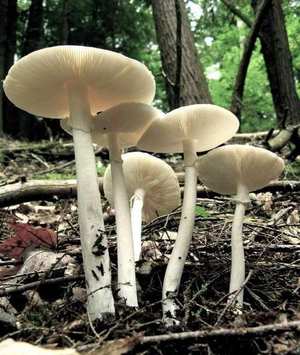
Amanita virosa / A. bisporigera complex Destroying Angel Tier 1 Amatoxins 6–24h (GI phase)
Galerina marginata Deadly Galerina Tier 1 Amatoxins 6–24h (GI phase)
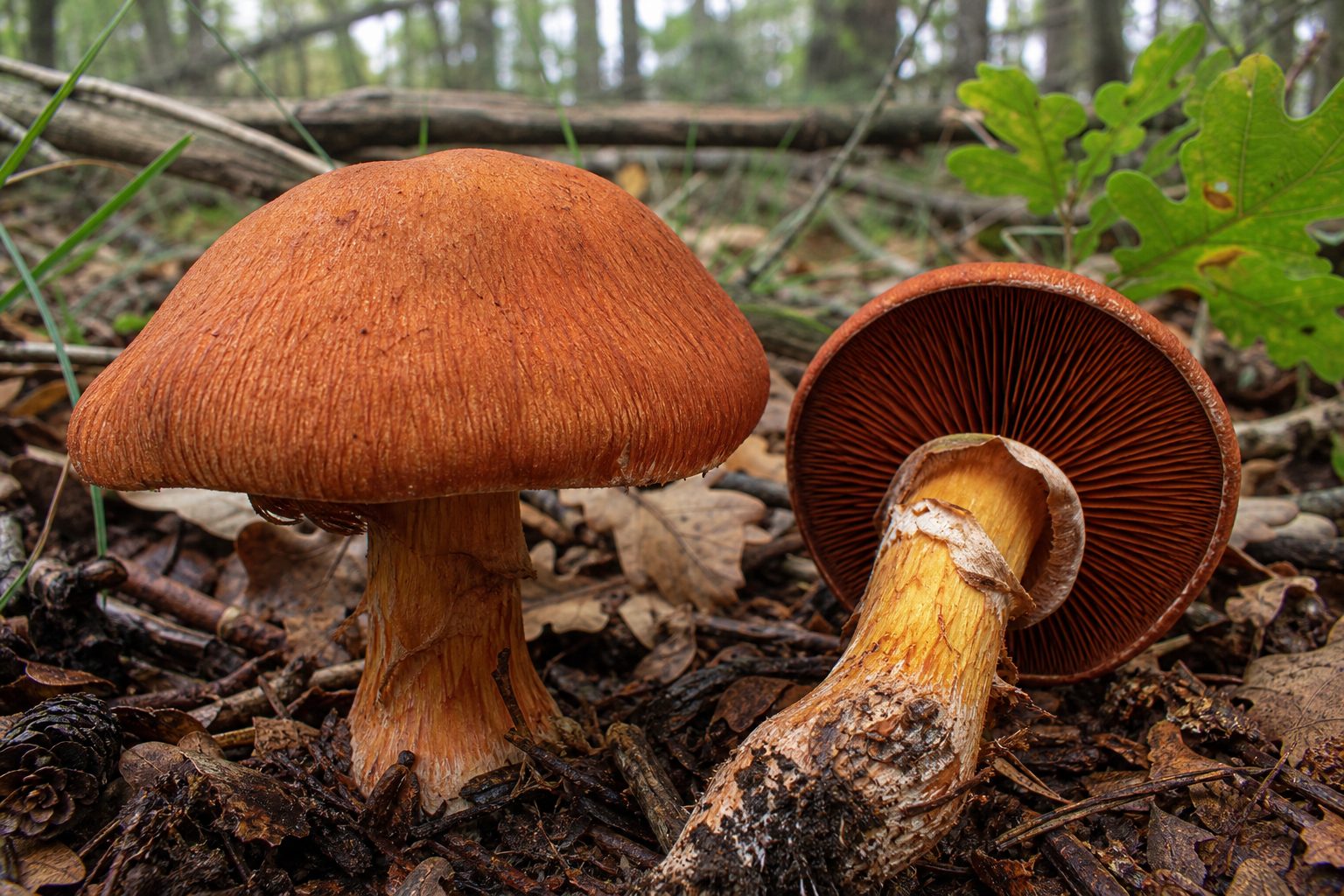
Cortinarius spp. β€” Orellanine group Deadly Webcap Tier 1 Orellanine 3–14 days
Gyromitra esculenta / G. infula False Morel Tier 1 Gyromitrin / MMH 6–12h
Tricholoma equestre / T. flavovirens Man on Horseback / Yellow Knight Tier 2 Myotoxin (cumulative) 24–72h (repeated meals)
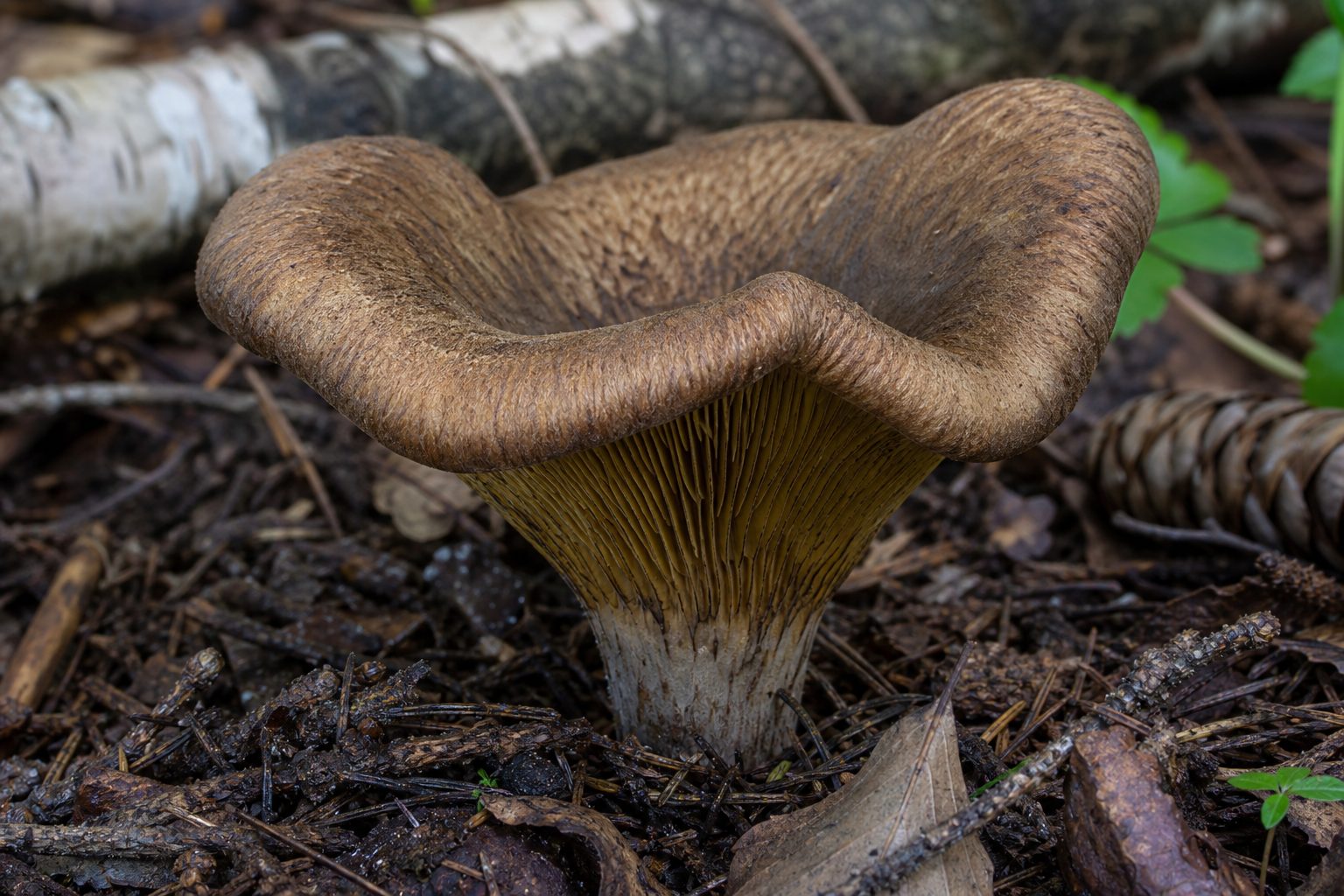
Paxillus involutus Brown Rollrim Tier 2 Immune-complex hemolytic 30 min–2h (repeat exposure)
Clitocybe rivulosa / C. nebularis Clouded Funnel / Ivory Funnel Tier 2 Muscarine 15–30 min
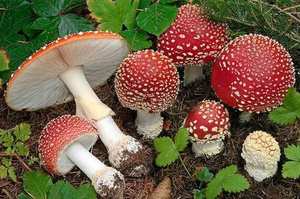
Amanita muscaria Fly Agaric Tier 3 Ibotenic acid / Muscimol 30 min–2h
Lycoperdon / Bovista spp. Immature Puffballs Tier 3 Lookalike risk (Amanita) Varies
☠ Tier 1 β€” Life-Threatening
Destroying Angel & Deadly Galerina
Amanita virosa / Amanita bisporigera complex & Galerina marginata
Amanita bisporigera β€” Destroying Angel
Toxin
Amatoxins (alpha-amanitin) β€” inhibits RNA polymerase II
Onset
6–24 hours (GI phase)
Lookalike Risk
Edible white Agaricus species, immature puffballs. Galerina mimics Pholiota or Psilocybe species
Outcome Risk
Fulminant hepatic necrosis, coagulopathy, AKI β€” high mortality untreated
⚠ THREE-PHASE CLINICAL COURSE β€” False Recovery is the critical discharge danger trap

Phase 1 (6–24 hrs): Cholera-like secretory diarrhea and severe cramping. Patients are acutely ill.

Phase 2 β€” False Recovery Trap (24–48 hrs): Patient feels subjectively well. GI symptoms resolve. Rising AST/ALT/INR during this window. Do not discharge. This phase is the primary cause of delayed diagnosis and preventable death.

Phase 3 (3–5 days): Fulminant hepatic necrosis, coagulopathy, AKI. Hepatic encephalopathy. Liver transplant evaluation window is narrow.

🚫 Contraindicated: Loperamide/Diphenoxylate (blocks toxin elimination); Phenothiazine antiemetics β€” Chlorpromazine/Promethazine (independent hepatotoxicity); NSAIDs (AKI risk)

Treatment: Aggressive IV crystalloid resuscitation. Multi-dose activated charcoal (MDAC) to interrupt enterohepatic recycling. IV Silibinin (Legalon SIL) if available; alternative: high-dose IV Penicillin G. NAC protocol (see below). LFTs + BMP + coagulation panel every 6–8 hours. INR tracking β€” INR changes often precede AST/ALT spikes. Early contact: University of Alberta Hospital Liver Transplant Team β€” do not wait for Phase 3.

Adult NAC Protocol: Loading 150 mg/kg IV over 60 min β†’ 50 mg/kg IV over 4 hrs β†’ 100 mg/kg IV over 16 hrs. Maintain 6.25 mg/kg/hr if LFTs elevated or INR >1.5.
Pediatric NAC Protocol: Same mg/kg doses. Dilute in 3/7/14 mL/kg D5W or 0.45% NS to avoid fluid overload.
⚠ Boreal Note: Galerina marginata is extremely common on decaying boreal spruce, pine, and birch logs throughout this region. It is overlooked due to small size and frequently misidentified as edible wood-decaying mushrooms or Psilocybe species. Apply identical full amatoxin protocol.
🐾 Veterinary Note: MDAC, aggressive IV diuresis, SAMe and Silymarin hepatoprotectants. Guarded prognosis if treatment is delayed past 12 hours. Canine decontamination hard cutoff: 2–4 hours post-ingestion. Activated charcoal and gastric lavage are ineffective once the GI phase resolves due to rapid canine metabolic rates.
Orellanine Webcap Group
Cortinarius species β€” Orellanine group
Cortinarius orellanus β€” Deadly Webcap
Toxin
Orellanine β€” highly selective nephrotoxin
Onset
3–14 days β€” extreme diagnostic delay
Lookalike Risk
Edible Cortinarius species misidentified in dense spruce and poplar understory
Outcome Risk
Progressive irreversible renal failure β€” dialysis or transplant

Symptoms: Intense thirst, burning mouth and throat, lumbar pain, oliguria progressing to anuria, progressive irreversible renal failure.

⚠ DIAGNOSTIC TRAP: 3–14 day onset means patients never connect symptoms to mushroom ingestion. A full two-week dietary history is mandatory for any unexplained AKI or renal failure presentation in this region.

Treatment: Nephrology consult. Serial creatinine monitoring. Hemodialysis or CRRT. Prepare for long-term dialysis or renal transplant evaluation β€” orellanine-induced renal damage is generally irreversible.

False Morels β€” Critical Boreal Addition
Gyromitra esculenta / Gyromitra infula
Gyromitra esculenta β€” False Morel
Toxin
Gyromitrin β†’ Monomethylhydrazine (MMH)
Onset
6–12 hours
Lookalike Risk
True Morels (Morchella species) β€” actively targeted by European and Scandinavian communities using traditional parboiling
Outcome Risk
Refractory seizures, hemolysis, hepatic necrosis in severe cases

Three-Point Field Safety Identification Key β€” Gyromitra vs. True Morel

  1. Cap Attachment: True Morels have cap walls grafted directly to the stem continuously. Gyromitra cap hangs loose around the stem or attaches only at the very top.
  2. Internal Cavity: True Morels are 100% hollow from stem base to cap tip. Gyromitra is stuffed with cotton-like fibers, chambered pockets, or a solid stem.
  3. Cap Texture: True Morels have a pitted honeycomb grid structure. Gyromitra has a wavy, wrinkled, brain-like surface without distinct pits.

Symptoms: Headache, dizziness, severe gastroenteritis, refractory metabolic seizures from GABA depletion, delayed hemolysis and hepatic necrosis in severe cases.

⚠ SEIZURE MANAGEMENT: Phenobarbital and Phenytoin are INEFFECTIVE for MMH-induced seizures β€” they do not address the underlying GABA depletion mechanism.
Adult Pyridoxine Protocol: 25 mg/kg IV over 15–30 minutes. Maximum 5 g total.
Pediatric Pyridoxine Protocol: 25 mg/kg IV over 15–30 minutes. Maximum 2.5 g per infusion; cumulative daily ceiling 5 g. Bridge with Diazepam 0.1–0.3 mg/kg IV or Lorazepam 0.05–0.1 mg/kg IV if Pyridoxine is unavailable.
⚠ Boreal Cultural Risk: Traditional European and Scandinavian parboiling techniques (boiling and discarding water) do not eliminate gyromitrin to a safe level. Communities actively forage spring Gyromitra as a morel equivalent. Clinicians should be aware of this practice during spring mushroom season (April–June).
🐾 Veterinary Note: 25 mg/kg Pyridoxine IV or IM. Aggressive fluid support for hemolysis and hepatic injury. Same GABA depletion mechanism β€” standard anticonvulsants are ineffective.
⚠ Tier 2 β€” Serious
Man on Horseback / Yellow Knight
Tricholoma equestre / Tricholoma flavovirens complex
Tricholoma equestre β€” Man on Horseback
Toxin
Uncharacterized myotoxin β€” cumulative rhabdomyolysis
Onset
24–72 hours after repeated meals over consecutive days
Lookalike Risk
Edible yellow Tricholoma species β€” harvested by Fennoscandian and Ukrainian communities
Outcome Risk
Rhabdomyolysis β€” AKI, cardiac complications

Symptoms: Muscle weakness, severe myalgia, dark reddish-brown urine (myoglobinuria), elevated CK. Toxicity is cumulative with repeated meals.

⚠ Always ask about repeated meals over consecutive days β€” single-meal ingestion may not trigger clinical presentation. Scandinavian, Finnish, and Ukrainian boreal communities harvest this species and its toxicity is poorly recognized in those communities.
Adult Fluid Protocol: IV bolus 1–2 L isotonic crystalloid over 1–2 hrs. Maintenance 200–300 mL/hr. Target urine output >200 mL/hr.
Pediatric Fluid Protocol: Bolus 20 mL/kg over 30–60 min. Maintenance 3–4 mL/kg/hr. Target urine output 1.5–2 mL/kg/hr (under 30 kg).

Urinary Alkalinization: 100–150 mEq sodium bicarbonate in 1 L D5W if urine pH <7.30. Target urine pH >6.5. Monitor for hypocalcemia.
Brown Rollrim
Paxillus involutus
Paxillus involutus β€” Brown Rollrim
Toxin
Immune-complex IgG/IgM hemolytic β€” sensitization effect
Onset
30 min–2h after repeat exposure β€” first ingestion often asymptomatic
Lookalike Risk
Brown boreal agarics β€” commonly foraged by Eastern European and Scandinavian communities
Outcome Risk
Hemolytic shock, AKI from secondary tubular necrosis

Symptoms: Acute immune-mediated hemolytic anemia, hemoglobinuria, jaundice, shock, secondary acute tubular necrosis.

⚠ SENSITIZATION TRAP: Patient may have eaten this species safely for decades. Catastrophic hemolysis can develop on the next ingestion due to antibody sensitization. A single prior meal without symptoms does NOT rule out Paxillus toxicity.

Treatment: PRBC transfusions. Plasmapheresis in critical presentations. Corticosteroids. Aggressive fluid diuresis to protect renal tubules from circulating hemoglobin released by hemolysis.

🐾 Veterinary Note: Immune-mediated hemolytic anemia in companion animals. Progressive with repeat exposure. CBC and urinalysis essential. Supportive transfusion and fluid therapy. Avoid re-exposure.
Ivory Funnel / Clouded Funnel
Clitocybe rivulosa / Clitocybe nebularis
Clitocybe nebularis β€” Clouded Funnel
Toxin
Muscarine β€” SLUDGE syndrome
Onset
15–30 minutes
Lookalike Risk
Lepista nuda (Wood Blewit) or Cantharellus species in low light
Outcome Risk
Cholinergic crisis β€” bronchospasm, cardiovascular compromise

Symptoms (SLUDGE): Salivation, Lacrimation, Urination, Defecation, GI distress, Emesis, bradycardia, bronchospasm, severe miosis.

Treatment: Atropine 0.5–2 mg IV. Repeat as necessary.
Atropine Ceiling: Titrate Atropine exclusively to drying of bronchial secretions β€” NOT to heart rate or pupil size. Over-titrating to tachycardia causes independent harm.
🐾 Veterinary Note: Highly dangerous to pets. Causes severe salivation, bradycardia, and fluid accumulation. Treat immediately with veterinary-dosed atropine. Rapid onset β€” urgent care required.
⚠ Tier 3 β€” Moderate
Fly Agaric
Amanita muscaria
Amanita muscaria β€” Fly Agaric
Toxin
Ibotenic acid / Muscimol
Onset
30 minutes to 2 hours
Lookalike Risk
Sought recreationally; collected by foragers seeking psilocybin. Common under birch, pine, and spruce across the boreal.
Outcome Risk
CNS toxidrome β€” alternating depression and stimulation

Symptoms: CNS depression and stimulation cycling β€” confusion, delirium, ataxia, stupor. Presentation can oscillate unpredictably between sedation and manic agitation.

Treatment: Supportive airway management. Benzodiazepines for agitation or seizures.
🚫 DO NOT administer Atropine β€” it exacerbates muscimol-induced delirium
🐾 Veterinary Note: Sweet structural amino acids attract dogs specifically β€” canines target this species over other wild fungi. Canines frequently present comatose or seizing. Quiet, sensory-deprived veterinary boarding with respiratory support. Excellent prognosis after 24–48 hour recovery window. Canine decontamination window: 2–4 hours post-ingestion.
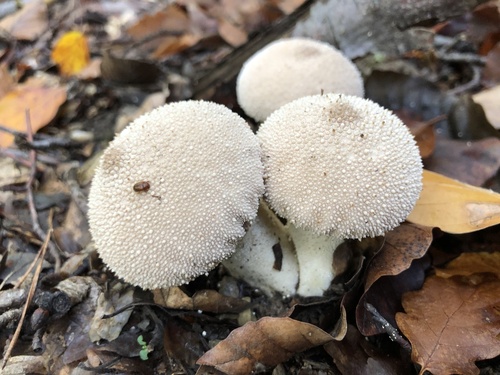
Immature Puffballs β€” Field Safety Check
Lycoperdon and Bovista species
Lycoperdon perlatum β€” Gem-studded Puffball
Risk Type
Lookalike risk β€” embryonic Amanita buttons
Lookalike Risk
Immature deadly Amanita "eggs" / buttons β€” Destroying Angel at button stage
πŸ” Mandatory Field Safety Check Before Eating Any Puffball:

Slice every puffball lengthwise before any preparation. Solid, uniform white marshmallow-like interior confirms a true puffball β€” safe to eat.

Any internal structure indicating a developing cap, stem, gills, or silhouette indicates a deadly embryonic Amanita button. Discard immediately. Do not taste.

πŸ”¬ Mushroom Sample Preservation for Poison Control

Emergency Contacts β€” Boreal North

☎ 1-800-268-9017
Northern Ontario β€” Ontario Poison Centre β€” 24/7 emergency line
☎ 1-855-702-4222
Manitoba β€” Manitoba Poison Centre β€” 24/7 emergency line
☎ 1-866-454-1212
Saskatchewan β€” Saskatchewan Poison Centre β€” 24/7 emergency line
☎ 1-800-332-1414
Alberta β€” PADIS (Poison & Drug Information Service) β€” 24/7 emergency line
☎ 1-888-255-1010
Northwest Territories & Nunavut β€” NWT Health Line β€” 24/7
University of Alberta Hospital Liver Transplant Team β€” Regional referral centre for confirmed or suspected amatoxin poisoning cases (Destroying Angel, Galerina marginata). Contact early β€” do not wait for Phase 3 presentation. Access via poison control or emergency department transfer protocol.