☎ SK Poison Control: 1-866-454-1212   •   MB Poison Centre: 1-855-702-4222

How to use this guide

This reference covers the 8 most clinically significant toxic mushrooms found in Saskatchewan and Manitoba prairie, parkland, and boreal-edge ecosystems. Species are organized by toxicological severity. Onset times, toxin mechanisms, and treatment protocols are included for emergency department and poison control use. Veterinary notes are provided for all Tier 1 and Tier 2 species. This guide is not a field identification tool β€” confirmation should come from a certified mycologist or poison control specialist.

Saskatchewan Poison Control Centre: 1-866-454-1212  |  Manitoba Poison Centre: 1-855-702-4222

Species Tier Toxin Onset Key Symptom
Amanita magnivelaris / A. amerivirosa Tier 1 Amatoxins 6–24h Fulminant hepatic necrosis
Cortinarius orellanus group Tier 1 Orellanine 3–14 days Oliguric AKI
Clitocybe rivulosa Tier 2 Muscarine 15–30 min SLUDGE / bronchospasm
Galerina marginata Tier 2 Amatoxins 6–24h Hepatic necrosis
Paxillus involutus Tier 2 Hemolytic immune complex 30 min–2h (repeat) Hemolytic anemia / shock
Amanita muscaria / A. pantherina Tier 3 Ibotenic acid / Muscimol 30 min–2h CNS depression / delirium
Chlorophyllum molybdites Tier 3 GI toxins 1–3h Hemorrhagic gastroenteritis
Lycoperdon / Bovista spp. Tier 3 Variable Variable Amanita button risk
⚠ Tier 1 β€” Life-Threatening
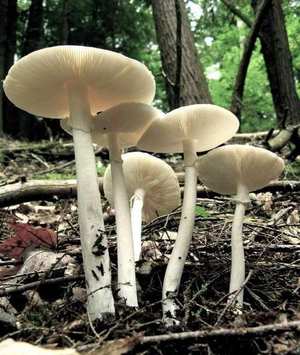
Prairie Destroying Angels
Amanita magnivelaris & Amanita amerivirosa
Prairie Destroying Angel β€” white Amanita
Toxin
Amatoxins (alpha-amanitin)
Initial Onset
6–24 hours (GI phase)
Lookalike Risk
White button mushrooms, Agaricus spp., immature puffballs
Outcome Risk
Fulminant hepatic necrosis β€” potentially fatal
⚠ Three-Phase Clinical Course β€” the Phase 2 apparent recovery is the most dangerous diagnostic trap

Phase 1 (6–24h): Violent rice-water diarrhea and cramping. Patient appears severely ill.

Phase 2 (24–48h): False recovery β€” patient feels better and may request discharge. Biochemical tracking shows rising AST/ALT during this window. This is the critical diagnostic trap β€” do not discharge.

Phase 3 (3–5 days): Fulminant hepatic necrosis, encephalopathy, coagulopathy, renal failure.

Treatment: Aggressive IV fluid resuscitation. Multi-dose activated charcoal (MDAC) to interrupt enterohepatic circulation. IV Silibinin (Legalon SIL) if available. N-acetylcysteine (NAC) protocol. Early contact with University of Alberta Hospital Liver Transplant Team (regional referral centre for amatoxin cases). Repeat LFTs every 6–8 hours throughout all phases.
πŸ“ž Regional Referral: University of Alberta Hospital Liver Transplant Team β€” contact early for confirmed or suspected amatoxin ingestion
INR Monitoring: Monitor INR every 6–8 hours alongside LFTs β€” INR changes often precede AST/ALT spikes and tracks liver synthesis failure more accurately.
🐾 Veterinary Note: Grave prognosis in dogs. Dogs routinely scavenge these in wooded parklands. Liver failure can develop within 36 hours. Immediate aggressive decontamination and hepatoprotectants are mandatory. Urgent specialist consultation required. Decontamination window: gastric lavage or activated charcoal must be initiated within 2–4 hours post-ingestion. Standard decontamination is ineffective once the GI phase settles due to rapid canine metabolic rates.
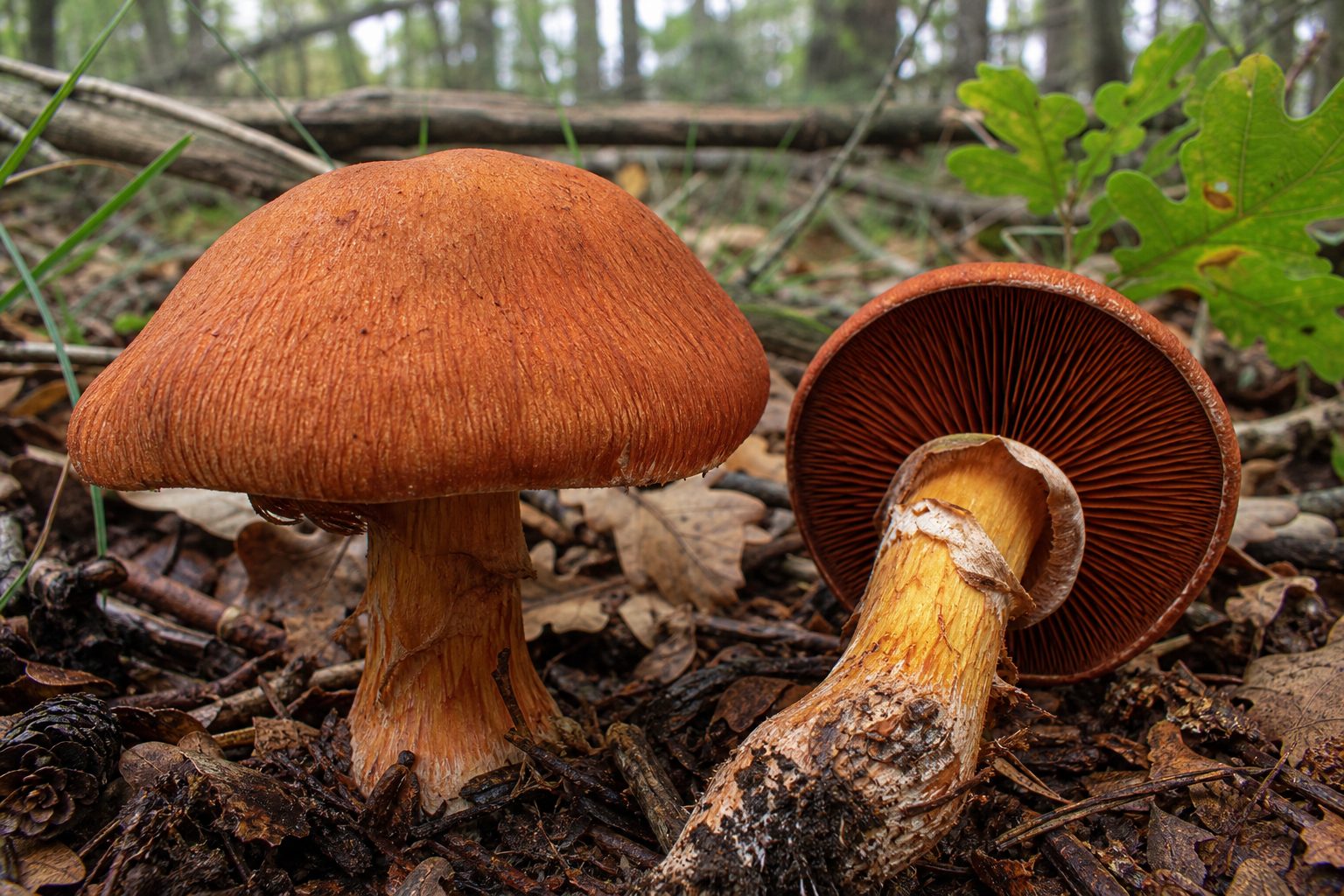
Orellanine Webcaps
Cortinarius orellanus group
Cortinarius orellanus β€” Fool's Webcap
Toxin
Orellanine (nephrotoxin)
Onset
3–14 days (extreme diagnostic delay)
Lookalike Risk
Edible Cortinarius spp., chanterelles in dark poplar bluffs
Outcome Risk
Oliguric / anuric acute kidney injury β€” may require dialysis

Symptoms: Intense thirst (polydipsia), burning mouth, lumbar flank pain, chills, followed by oliguric or anuric acute kidney injury (AKI).

Treatment: Early nephrology consultation. Serial creatinine tracking. Hemodialysis or CRRT if uremia or hyperkalemia develops. No specific antidote β€” supportive renal care is primary management.
⚠ Diagnostic Trap: Patients rarely connect symptoms to mushroom ingestion at 3–14 days post-exposure. Always take a full dietary history going back two full weeks when evaluating unexplained AKI.
🐾 Veterinary Note: Progressive renal failure in companion animals. Diagnosis often delayed due to the same 3–14 day window. Serial BUN/creatinine tracking and early nephrology consultation essential. Prognosis guarded to poor without aggressive supportive care. Decontamination window: gastric lavage or activated charcoal must be initiated within 2–4 hours post-ingestion. Standard decontamination is ineffective once the GI phase settles due to rapid canine metabolic rates.
⚠ Tier 2 β€” Serious
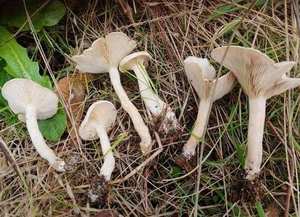
Ivory Funnel
Clitocybe rivulosa (formerly C. dealbata)
Clitocybe rivulosa β€” Ivory Funnel
Toxin
Muscarine
Onset
15–30 minutes (rapid)
Lookalike Risk
Marasmius oreades (Fairy Ring Mushroom) β€” shares the same prairie lawn ecosystem
Taxonomy Note
Current accepted name: Clitocybe rivulosa (not C. dealbata)

Symptoms: SLUDGE syndrome β€” Salivation, Lacrimation, Urination, Defecation, GI distress, Emesis. Severe miosis, bradycardia, bronchospasm. Classic cholinergic toxidrome.

Treatment: Atropine 0.5–2mg IV, titrated strictly until bronchial secretions dry and airway clearance is achieved. Repeat dosing as needed. Monitor cardiac rhythm. This is one of the most common serious prairie mushroom poisonings because Marasmius oreades (Fairy Ring) is among the most popular edible mushrooms on prairie lawns and both species fruit in the same rings.
Atropine Ceiling: Titrate Atropine to drying of bronchial secretions β€” not to heart rate or pupil size. Over-titrating based on tachycardia causes independent harm.
🐾 Veterinary Note: Highly dangerous to small pets on manicured lawns. Causes severe salivation, bradycardia, and fluid-filled lungs. Treat immediately with veterinary-dosed atropine. Urgent care required β€” onset is rapid.
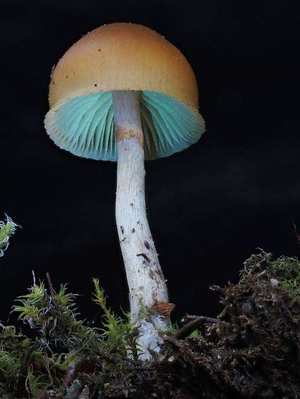
Deadly Galerina
Galerina marginata
Galerina marginata β€” Deadly Galerina
Toxin
Amatoxins (alpha-amanitin)
Onset
6–24 hours (GI phase)
Lookalike Risk
Kuehneromyces mutabilis, hallucinogenic wood-decaying mushrooms
Outcome Risk
Hepatic necrosis β€” identical to Destroying Angel
⚠ Treat identically to Destroying Angel amatoxin protocol β€” same toxin, same clinical course, same treatment pathway

Treatment: Apply full amatoxin protocol: IV fluid resuscitation, MDAC, IV Silibinin if available, NAC protocol, repeat LFTs every 6–8 hours. Contact University of Alberta Hospital Liver Transplant Team early for confirmed cases.
INR Monitoring: Monitor INR every 6–8 hours alongside LFTs β€” INR changes often precede AST/ALT spikes and tracks liver synthesis failure more accurately.
🐾 Veterinary Note: Same amatoxin toxicology as Destroying Angel. Potentially fatal in dogs. Apply identical aggressive decontamination and hepatoprotectant protocol. Prognosis grave without immediate intervention. Decontamination window: gastric lavage or activated charcoal must be initiated within 2–4 hours post-ingestion. Standard decontamination is ineffective once the GI phase settles due to rapid canine metabolic rates.
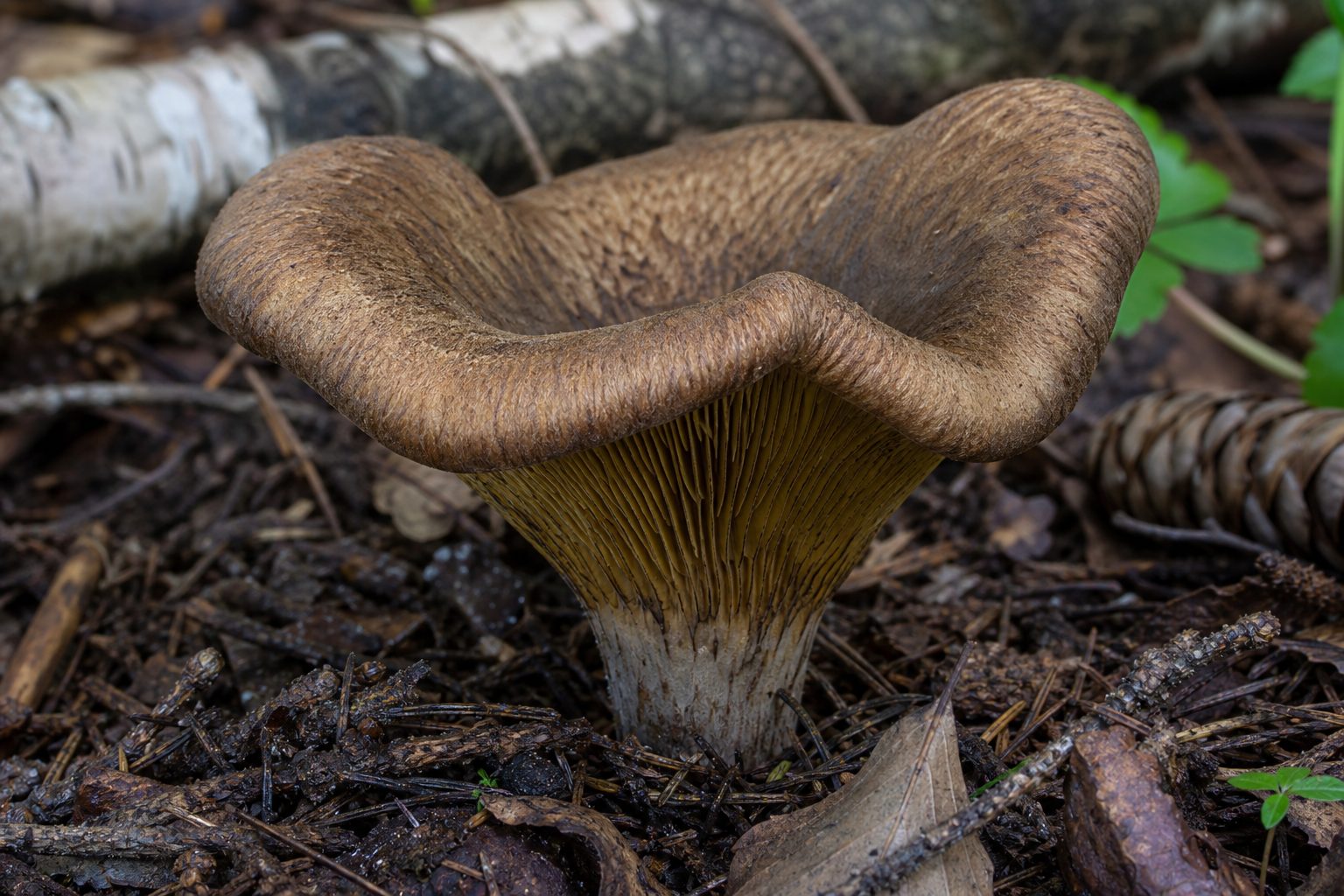
Brown Rollrim
Paxillus involutus
Paxillus involutus β€” Brown Rollrim
Toxin
Immune-complex-mediated hemolytic toxin
Onset
30 min–2h after repeat exposure
Lookalike Risk
Edible milk-caps (Eastern European forager tradition)
Mechanism
Autoimmune hemolytic anemia β€” worsens with each ingestion

Symptoms: Acute severe immune-mediated hemolytic anemia, hemoglobinuria, jaundice, shock, secondary acute tubular necrosis. First ingestion is often symptom-free β€” symptoms worsen with each subsequent ingestion.

Treatment: RBC transfusions. Plasmapheresis in severe presentations. Aggressive fluid diuresis to protect renal tubules from free hemoglobin. Systemic corticosteroids.
⚠ Cultural Context: Saskatchewan and Manitoba have significant Eastern European immigrant communities with traditional foraging culture. Paxillus involutus is consumed in Eastern Europe and its North American toxicity is not widely recognized in those communities. Ask specifically about traditional foraging practices and prior consumption history.
🐾 Veterinary Note: Immune-mediated hemolytic anemia in companion animals. Progressive with repeat exposure. CBC and urinalysis essential. Supportive transfusion and fluid therapy. Avoid re-exposure.
⚠ Tier 3 β€” Moderate
Fly Agaric & Panther Cap
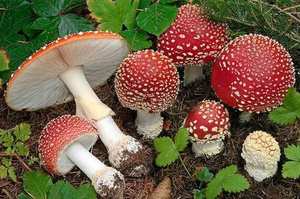
Amanita muscaria & Amanita pantherina
Amanita muscaria β€” Fly Agaric
Toxin
Ibotenic acid and Muscimol
Onset
30 minutes to 2 hours
Lookalike Risk
Collected recreationally β€” individuals seeking psilocybin. Common under birch and pine windbreaks across the prairies.
Outcome Risk
CNS toxidrome β€” alternating depression and delirium

Symptoms: Alternating CNS depression (coma-like stupor) and CNS stimulation (delirium, manic agitation, muscle twitching). Presentation can oscillate unpredictably.

Treatment: Supportive airway management. Benzodiazepines (e.g., Lorazepam) for severe agitation or seizures.
🚫 DO NOT administer Atropine β€” it exacerbates muscimol-induced delirium
🐾 Veterinary Note: Structural amino acids in these species smell and taste sweet to canines, explaining why dogs specifically target them over other wild fungi. Canines frequently present comatose or seizing. Provide quiet, sensory-deprived veterinary boarding and respiratory support. Prognosis excellent after 24–48 hour recovery window with supportive care.
Green-spored Parasol
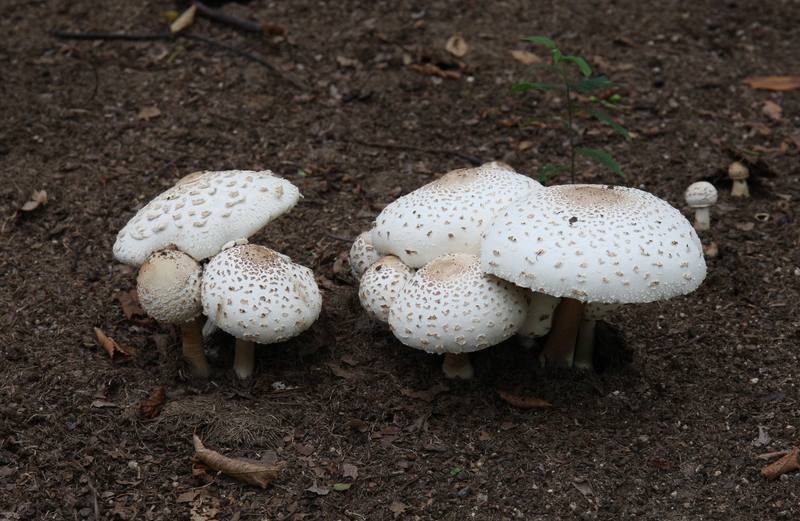
Chlorophyllum molybdites
Chlorophyllum molybdites β€” Green-spored Parasol
Toxin
Severe uncharacterized gastrointestinal toxins
Onset
1–3 hours
Lookalike Risk
Agaricus arvensis (Horse Mushroom), Shaggy Parasols in southern prairie pastures
Outcome Risk
Hypovolemic shock from hemorrhagic gastroenteritis

Symptoms: Violent, explosive, often hemorrhagic vomiting and diarrhea. Hypovolemic shock in severe cases.

Treatment: Aggressive IV fluid volume resuscitation. Antiemetics. Monitor for hemodynamic compromise.
🐾 Veterinary Note: Leading cause of severe bloody toxic gastroenteritis in farm and suburban dogs. Requires urgent veterinary IV fluid therapy. Monitor hydration status closely.
Prairie Puffballs β€” Field Safety Check
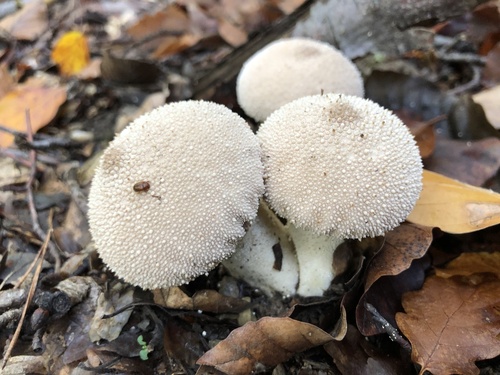
Lycoperdon & Bovista species
Lycoperdon perlatum β€” Gem-studded Puffball
Risk Type
Lookalike risk β€” embryonic Amanita buttons
Lookalike Risk
Immature deadly Amanita "eggs" / buttons
πŸ” The Single Most Important Field Safety Check in Prairie Foraging:

Slice lengthwise before eating any puffball. Solid, unblemished white marshmallow-like interior confirms a true puffball β€” safe to eat.

Any outline of a miniature stem, cap, or gills indicates a deadly embryonic Amanita button β€” discard immediately and do not eat.

This simple check should be performed on every puffball before any preparation. Prairie foragers, new Canadians, and children collecting "white balls" are the highest-risk groups for this error.

Sample Preservation: Wrap physical mushroom samples in paper or foil β€” never plastic. Refrigerate immediately to preserve microscopic structural features for poison control mycologists.

Emergency Contacts

☎ 1-866-454-1212
Saskatchewan Poison Control Centre β€” 24/7 emergency line
☎ 1-855-702-4222
Manitoba Poison Centre β€” 24/7 emergency line
University of Alberta Hospital Liver Transplant Team β€” Regional referral centre for confirmed or suspected amatoxin poisoning cases (Destroying Angel, Galerina). Contact early; do not wait for Phase 3 presentation. Access via poison control or emergency department transfer protocol.